Proudly rated 4.8 from 7,600+ patient reviews
Eye Exams in Charlotte, NC
Protect your sight and overall health with comprehensive eye examinations from Charlotte’s most experienced eye care specialists.
I’d like to…
Understanding Eye Exams
A comprehensive eye exam is far more than a vision check. It evaluates the full health of your eyes, screening for glaucoma, cataracts, macular degeneration, diabetic retinopathy, and dozens of other conditions that often have no early symptoms. Catching these conditions early makes a critical difference in outcomes.
Beyond eye health, a comprehensive exam can reveal early signs of systemic conditions including diabetes, high blood pressure, high cholesterol, and autoimmune disease. The blood vessels and structures in your eyes often show changes before symptoms appear elsewhere in your body.
Who Should Be Screened
Certain groups require more frequent eye exams regardless of how their vision feels. These include people with diabetes, a family history of glaucoma or macular degeneration, those of African or Hispanic descent (higher glaucoma risk), high myopes, and anyone taking medications known to affect eye health.
Contact lens wearers require annual exams to monitor corneal health. Patients with prior eye surgeries or conditions like uveitis need more frequent monitoring. Children need early and regular screening to catch amblyopia, strabismus, and refractive errors during critical developmental years.
What to Expect
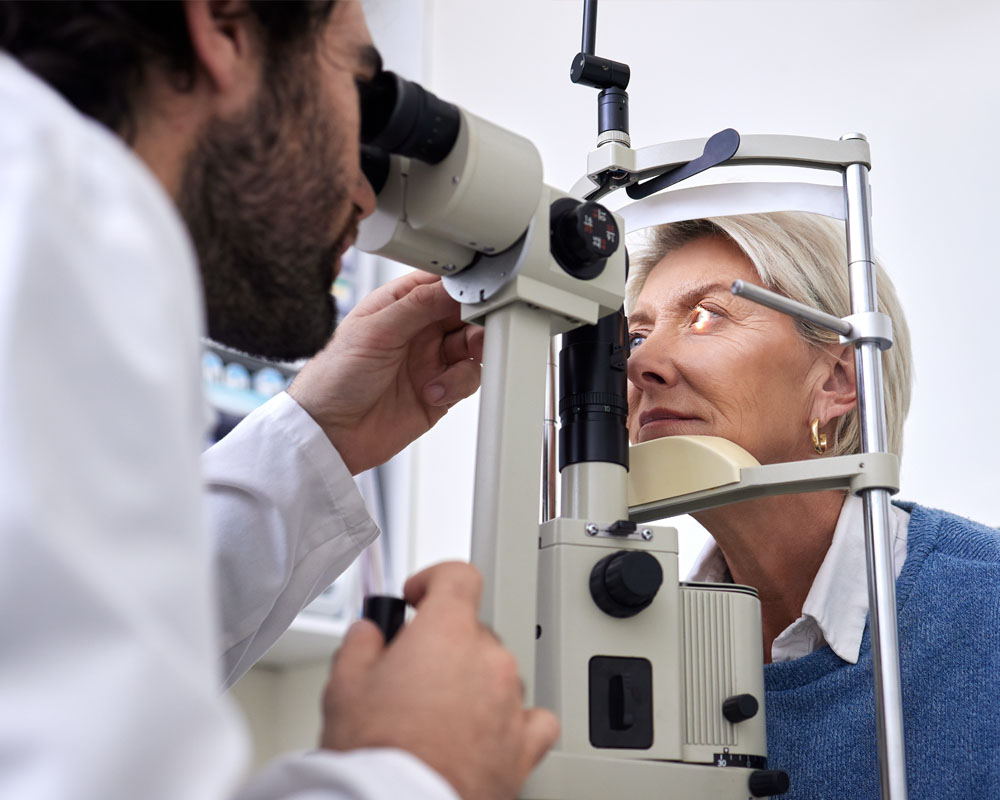
Your comprehensive exam includes visual acuity testing, refraction to determine your glasses prescription, intraocular pressure measurement, and a dilated examination of your retina and optic nerve. Advanced imaging such as OCT and Optomap may also be used depending on your needs.
Most exams take 45 to 90 minutes including dilation time. Bring your current glasses or contact lenses and a list of any medications you take. If your eyes are dilated, plan for light sensitivity and blurred near vision for a few hours afterward and arrange transportation if needed.
Exam Frequency
Children should have their first eye exam at 6 months, again at age 3, and before starting school. Adults under 40 with no risk factors can be seen every 2–3 years. Adults 40–64 should have annual exams as presbyopia begins and glaucoma risk increases.
Everyone 65 and older needs annual comprehensive eye exams as the risk of cataracts, glaucoma, macular degeneration, and diabetic retinopathy increases significantly with age. Anyone with diabetes, a family history of eye disease, or high-risk medications should have annual exams regardless of age.
Eye Exam Services We Offer
We provide comprehensive eye care evaluations for every patient and every stage of life, including routine annual exams and specialized screenings for diabetes and glaucoma. Advanced diagnostic technology helps our specialists protect both your sight and your overall health.
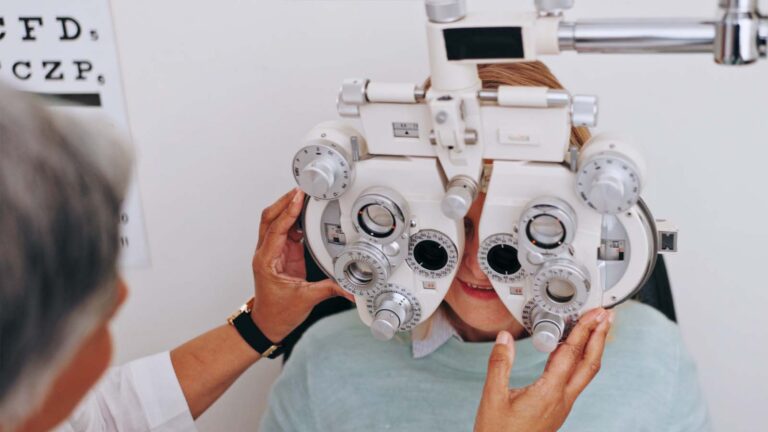
Routine Comprehensive Exams
Complete evaluation of visual acuity, refraction, eye pressure, and dilated retinal exam to screen for refractive errors, cataracts, glaucoma, and other eye conditions.
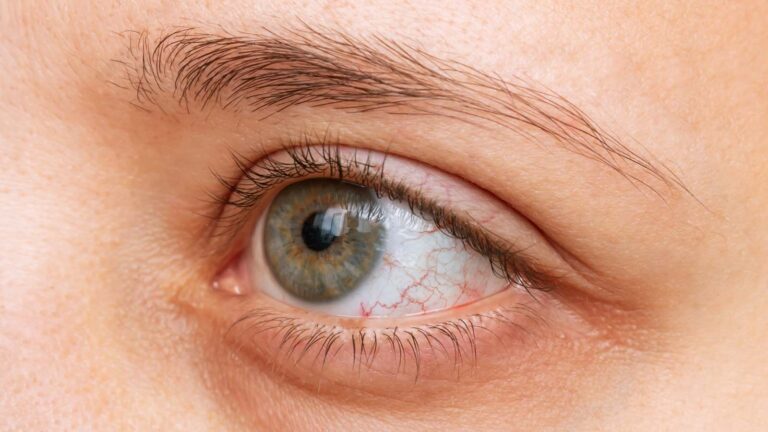
Diabetic Eye Screenings
Specialized retinal evaluation detecting diabetic retinopathy before symptoms develop, identifying blood vessel damage at its earliest and most treatable stage.
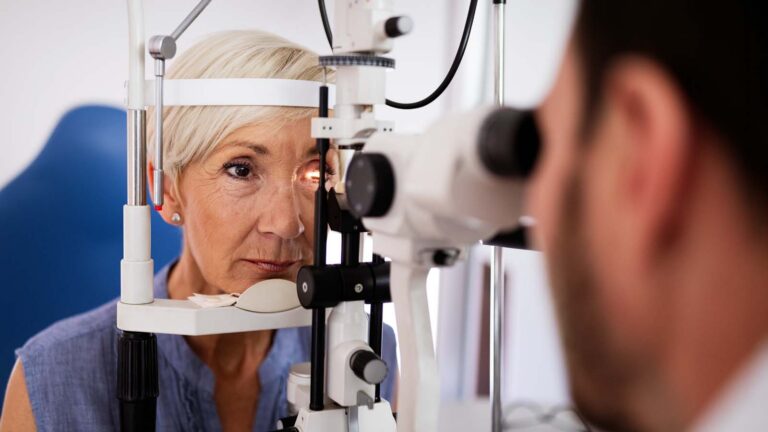
Glaucoma Screenings
Optic nerve evaluation, visual field testing, and advanced imaging form a thorough glaucoma assessment personalized to your family history and risk profile.
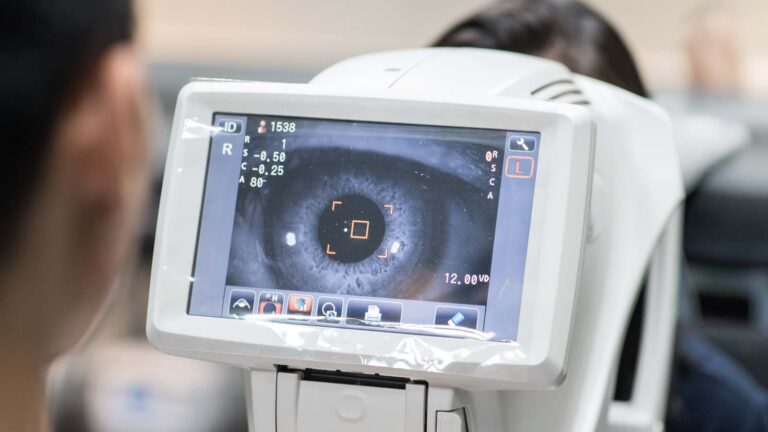
Optomap® Retinal Imaging
Wide-field retinal imaging capturing detailed images without dilation at select locations, providing immediate, comparable results for ongoing monitoring over time.

Meet Your Charlotte Eye Care Team
Dedicated specialists and experienced optometrists focused on protecting your sight and overall health through thorough, personalized eye care.
Nicolas M. Beaupre, OD
Expert in Primary Eye Care & Advanced Ocular Health
Serving Cotswold, Huntersville & Mallard Creek

Stephen A. Daugherty, MD
Pediatric Ophthalmology & Adult Strabismus Specialist
Benjamin C. Kramer, MD
Pediatric Ophthalmology & Adult Strabismus Specialist
Serving Cotswold, Huntersville & Mallard Creek

Jonathan S. Minkowski, MD
Cataract, Cornea & Refractive Surgery Specialist

Gerald B. Rosen, MD
Cornea, Cataract & Refractive Surgery Specialist
Serving Cotswold, Mallard Creek & Pineville

Strutha C. Rouse, II, MD
Fellowship-Trained Retina & Vitreous Specialist
Serving Cotswold & Huntersville

Steven J. Ryder, MD
Fellowship-Trained Retina & Vitreous Specialist

Hunter S. Stolldorf, MD
Cataract, LASIK & Refractive Surgery Specialist
Serving Cotswold, Mallard Creek & Mooresville

Royce R. Syracuse, MD, MBA
Comprehensive Ophthalmology & Cataract Surgeon
Serving Huntersville & Mooresville

Kevin R. Tomasko, Jr., MD
Ophthalmic Plastic & Reconstructive Surgeon

Xueyang (Sarah) Wang, MD
Fellowship-Trained Cornea, Cataract & Refractive Surgeon
Serving Cotswold & Mallard Creek

Proudly rated 4.8 from 7,600+ patient reviews
Comprehensive Eye Exams Throughout Charlotte
Comprehensive eye exams are available at all seven of our conveniently located offices:
Browse locations:
Vision Restored, Lives Transformed
Proudly rated 4.8 from 7,600+ patient reviews
“I transferred from CEENTA to Dr Ryder at Horizon Eye Care-Cotswold. Today was my first appointment. I can say I was pleasantly surprised. I had absolutely no wait time. The office has…”
“Dr. Cameron was friendly yet quite professional. His exam seemed thorough and his recommendations sound. He answered questions I had and took his time - he was not rushed to get to…”
“All staff from checking in at the front desk, throughout my appointment were very helpful. Dr.Minkowski did a great job of explaining options/the process of cataract surgery with me, especially given my…”
“I have been coming to Dr. Minkowski for over 2 years and he is an awesome doctor. He makes you feel welcomed and worry free. He explains everything in detail and will…”
“Excellent provider care! Dr. Garcia is knowledgeable patient and careful. I trust her with the health of my eyes and highly recommend her.”
“Dr Wang and staff are tops !”
“Attention to details about my eyes with comparison fr last years visit to this year. Professional in every way. His Assistant sat in the room transcribing Dr Ryder’s comments. It took me…”
“Great staff and dr Wang was the best”
“Had a good visit.”
“Excellent experience! The surgery center staff made things easy, the procedure stayed on schedule, and Dr.Kaluzny’s bedside manner was fantastic. Results are excellent. Dr. Kaluzny, not his nurse called me the evening…”
“Great bedside manner Explained option's Great Staff Very kind”
“Excellent and appreciated his recommendation very much!”
“Best eye doctor ever”
“It was a hay day but I didn’t wait long. Dr Tomasko explained what was concerning me and took care of it immediately. Super professional super quick and most importantly no pain.…”
“As always the check up was professional and expert. Dr Wang is a caring professional and I have confidence in her work. This visit had an annoying amount of waiting time which…”
“Conscientious, considerate and very knowledgeable”
“Excellent ”
“Dr. Biber is always attentive and takes time to answer all my questions.”
“Dr Garcia Santana and her staff were very professional and friendly. .”
“I met with the team for a followup and it was a great experience - listened to my concerns, offered options to address. The rest of the office staff was equally competent…”
Eye Exam Resources
Medically reviewed by
- Posted in Blog & Eye Exams
Medically reviewed by
- Posted in Blog, Eye Exams, LASIK & Optical
Medically reviewed by
- Posted in Blog, Eye Exams & Optical
Eye Exam FAQs
How often should I have my eyes examined?
Adults under 40 with no risk factors can be seen every 2–3 years. Adults 40–64 should have annual exams, and everyone 65 and older needs yearly comprehensive eye exams. Those with diabetes, a family history of eye disease, or high-risk medications need annual exams regardless of age.
What's the difference between online eye tests and in-person exams?
Online vision tests check visual acuity only. They cannot detect glaucoma, retinal disease, eye conditions, or systemic health issues. Comprehensive in-person exams evaluate overall eye health and can save your sight by identifying problems before symptoms appear.
Will my eyes be dilated during the exam?
Dilation is typically necessary for a complete evaluation of your retina and optic nerve. We also offer Optomap® imaging at select locations as an alternative for routine screenings, though diabetic patients and those with certain risk factors still require dilated exams.
How long will my vision be blurry after dilation?
Dilation effects typically last 2–4 hours, causing light sensitivity and blurred near vision. We recommend bringing sunglasses and arranging transportation if you are sensitive to these effects.
Can an eye exam detect health problems?
Yes. Eye exams can reveal signs of diabetes, high blood pressure, high cholesterol, autoimmune diseases, and certain cancers. The blood vessels and structures in your eyes often show changes before symptoms appear elsewhere in your body.