
Proudly rated 4.8 from 7,600+ patient reviews
Cornea Care in Charlotte, NC
Advanced corneal disease management and surgical care from Charlotte’s most experienced specialists, including breakthrough treatments and transplant surgery.
I’d like to…
Understanding Cornea
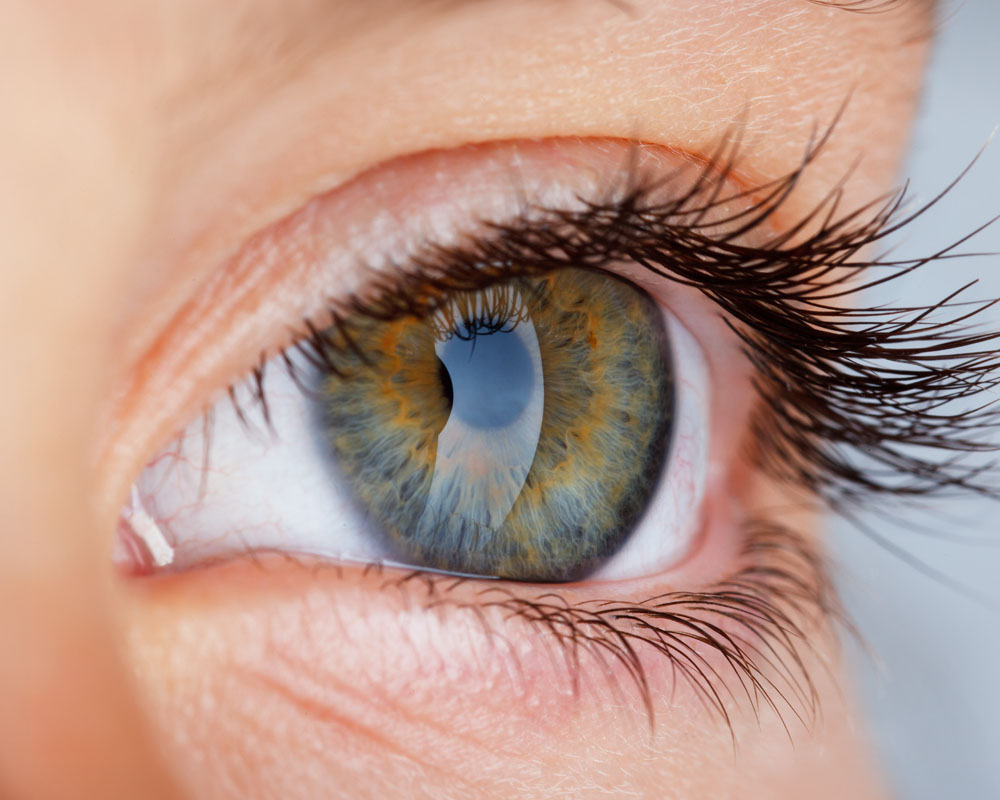
Your cornea is the transparent, dome-shaped front layer of your eye — your eye’s windshield. It provides about two-thirds of your eye’s focusing power and is made up of five distinct layers, each with a specific job. Despite being thinner than a dime, it contains the highest concentration of nerve endings in the human body.
Your cornea faces constant challenges from the environment, including dust, wind, UV rays, and countless blinks throughout the day. When healthy it stays crystal clear, but disease, injury, or inherited conditions can cloud or distort it in ways that significantly impact your vision and quality of life.
Risk Profile
Corneal conditions can affect anyone, but certain factors increase your risk. A family history of keratoconus or corneal dystrophies, excessive eye rubbing, contact lens overwear, prior eye infections, or a history of eye trauma can all compromise corneal health over time.
Some conditions like Fuchs’ dystrophy develop gradually with age and may not cause symptoms for decades. Others, like keratoconus, often begin in the teens or twenties. Regular comprehensive eye exams are the best way to detect corneal changes before they significantly affect your vision.
Corneal Detection
Corneal conditions are detected through a combination of slit-lamp examination, corneal topography, and pachymetry. These tools allow our specialists to map the shape and thickness of your cornea in precise detail, identifying irregularities that cannot be seen with standard eye charts.
Early detection is critical for conditions like keratoconus, where intervention is most effective before significant thinning has occurred. Advanced imaging allows us to monitor subtle changes over time, giving your cornea specialist the information needed to recommend the right course of action at the right time and preserve your vision for the long term.
Types We Treat
We manage the full spectrum of corneal conditions including keratoconus, Fuchs’ dystrophy, corneal ulcers, herpes simplex keratitis, corneal abrasions, and pterygium. Each condition affects the cornea differently and requires a tailored approach ranging from medications to advanced surgery.
Our specialists are experienced in the most advanced surgical techniques, including PTK laser procedures and both partial and full-thickness corneal transplants. Whether your condition requires medical management or surgical intervention, we provide the highest level of expert care.
Corneal Treatments We Offer
Our corneal specialists tailor treatment to each patient, beginning with the most conservative approach appropriate for your condition and advancing to surgical solutions when needed.

Medical Management
Lubricating drops, antibiotics, steroids, and specialized medications treat many corneal conditions by reducing inflammation and protecting the corneal surface.
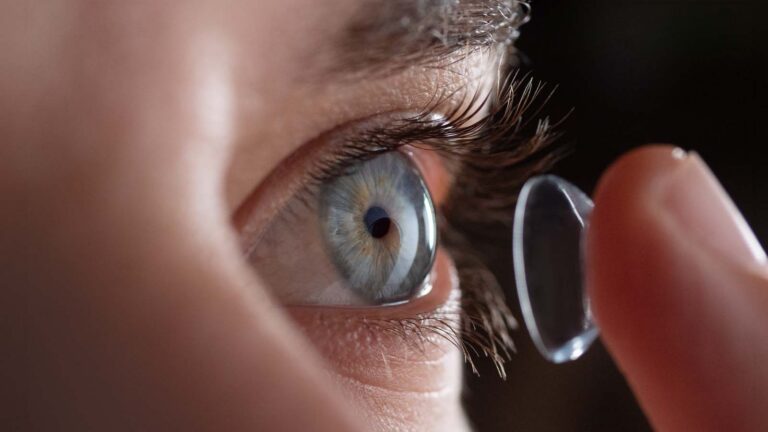
Specialty Contact Lenses
Scleral and specialty lenses provide excellent vision for patients with keratoconus, corneal scars, or irregularities where standard prescription glasses or contacts fall short.
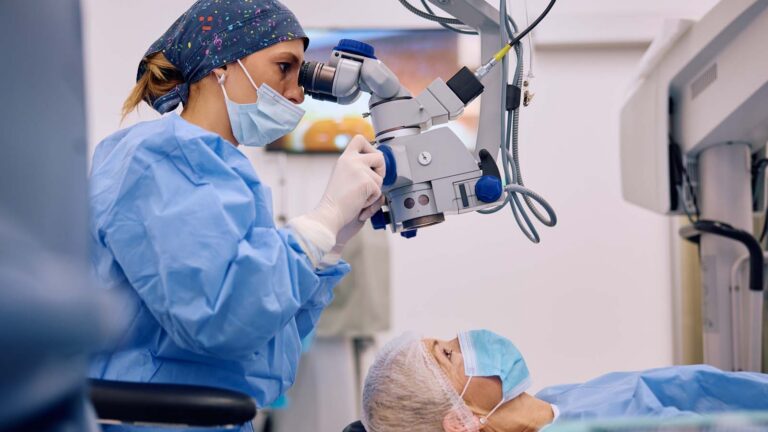
Advanced Laser Procedures
Excimer laser technology smooths corneal surface irregularities, removes scars, and treats certain dystrophies with precision and minimal recovery time.
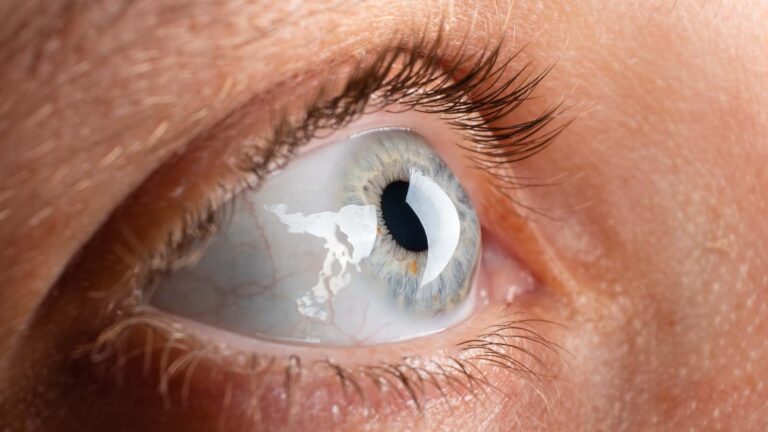
Corneal Transplant Surgery
Our specialists perform both full-thickness and partial-thickness transplants (DSEK, DMEK) depending on which corneal layers are affected, with excellent success rates.

Corneal Specialists in Charlotte
Fellowship-trained experts in medical and surgical corneal care.
Brent Hoffman II, MD
Expert in Cornea and External Diseases, Cataract Surgery, Comprehensive Ophthalmology

Jonathan S. Minkowski, MD
Cataract, Cornea & Refractive Surgery Specialist

Gerald B. Rosen, MD
Cornea, Cataract & Refractive Surgery Specialist
Serving Cotswold, Mallard Creek & Pineville

Xueyang (Sarah) Wang, MD
Fellowship-Trained Cornea, Cataract & Refractive Surgeon
Serving Cotswold & Mallard Creek

Proudly rated 4.8 from 7,600+ patient reviews
Cornea Care Across Charlotte
Find personalized care and fellowship-trained specialists at one of our convenient Charlotte-area locations:
Browse locations:
Vision Restored, Lives Transformed
Proudly rated 4.8 from 7,600+ patient reviews
“My family goes to this practice. They’re excellent!”
“Dr. Cameron was friendly yet quite professional. His exam seemed thorough and his recommendations sound. He answered questions I had and took his time - he was not rushed to get to…”
“All staff from checking in at the front desk, throughout my appointment were very helpful. Dr.Minkowski did a great job of explaining options/the process of cataract surgery with me, especially given my…”
“I have been coming to Dr. Minkowski for over 2 years and he is an awesome doctor. He makes you feel welcomed and worry free. He explains everything in detail and will…”
“Was seen on time. Listened carefully & after exam, he explains what he saw & how it would affect my cataract surgery. He explained what he could do to correct the problem…”
“Dr. Santana has been amazing ever since I started having issues with my eye last year. I had a torn retina and she repaired it beautifully. She and her team have always…”
“All went well for the first eye! Thanks”
“Reassuring professional care.”
“This was my 1st visit with Dr Minnal! She was very nice, polite n professional! I was with Dr Krug for abt 20yrs, so good to know I hv another good Dr!! ”
“Dr. Hoffman was professional, explained everything in detail to me where I could understand. Only downside was the wait in the back.”
“Awesome”
“Always had a good experience there. Polite and friendly.”
“Very professional experience good customer care service”
“The Staff was very kind and exehibted patience towards my husband, Major Chandler. Dr Buber and his staff were excellent and extremely helpful in testing and recommending next steps.”
“Dr. Biber was excellent. He was very clear on what he saw and the direction we were headed for treatment. Very much appreciated. The only suggestion I would have is with Horizon…”
“The Cotswold ofc had the best patient turnaround and Im going there from now on. He’s awesome and his staff was even better. Thank you Michelle!”
“Quick and efficient”
“My appointments with Dr. Biber always go well. He listens to my concerns and makes me feel that I am heard. I have received excellent care from Cataract surgery and all the…”
“Dr Biber was amazing. Very attentive and listen to my concerns with great answers to my questions. Came up with a plan to address my eye problems. Highly recommend !”
“Everyone is very nice and respectful. They made me feel very comfortable. I highly recommend Horizon Eye Care.”
Cornea Resources
Medically reviewed by
- Posted in Cornea & Optical
Medically reviewed by
- Posted in Blog, Contact Lenses & Cornea
Medically reviewed by
- Posted in Blog & Cornea
Cornea FAQs
How do I know if I have a corneal problem?
Common symptoms include eye pain, redness, blurred vision, light sensitivity, or a feeling that something is in your eye. However, some corneal conditions like early dystrophies may have no symptoms initially. Regular eye exams can detect problems before symptoms develop.
Are corneal transplants successful?
Corneal transplants have the highest success rate of any tissue transplant at over 90% for most conditions. The cornea has no blood vessels, so rejection is rare. Modern techniques like DMEK replace only damaged layers, leading to faster recovery and better vision outcomes.
Can keratoconus be stopped from getting worse?
In many cases, yes. When caught early, keratoconus progression can often be slowed or halted with appropriate treatment. Early detection through regular eye exams is crucial, since intervention is most effective before significant corneal thinning occurs. Our cornea specialists can evaluate your condition and recommend the best approach for your stage of the disease.
How long does it take to recover from corneal transplant surgery?
Recovery depends on the transplant type. Partial-thickness procedures like DMEK may show visual improvement within weeks, while full-thickness transplants can take several months. Most patients return to normal activities within days to weeks of surgery.
Can corneal problems cause permanent vision loss?
If left untreated, conditions like corneal infections, advanced keratoconus, or severe dystrophies can cause permanent vision loss. With early detection and proper treatment, most corneal problems can be managed effectively to preserve your vision.