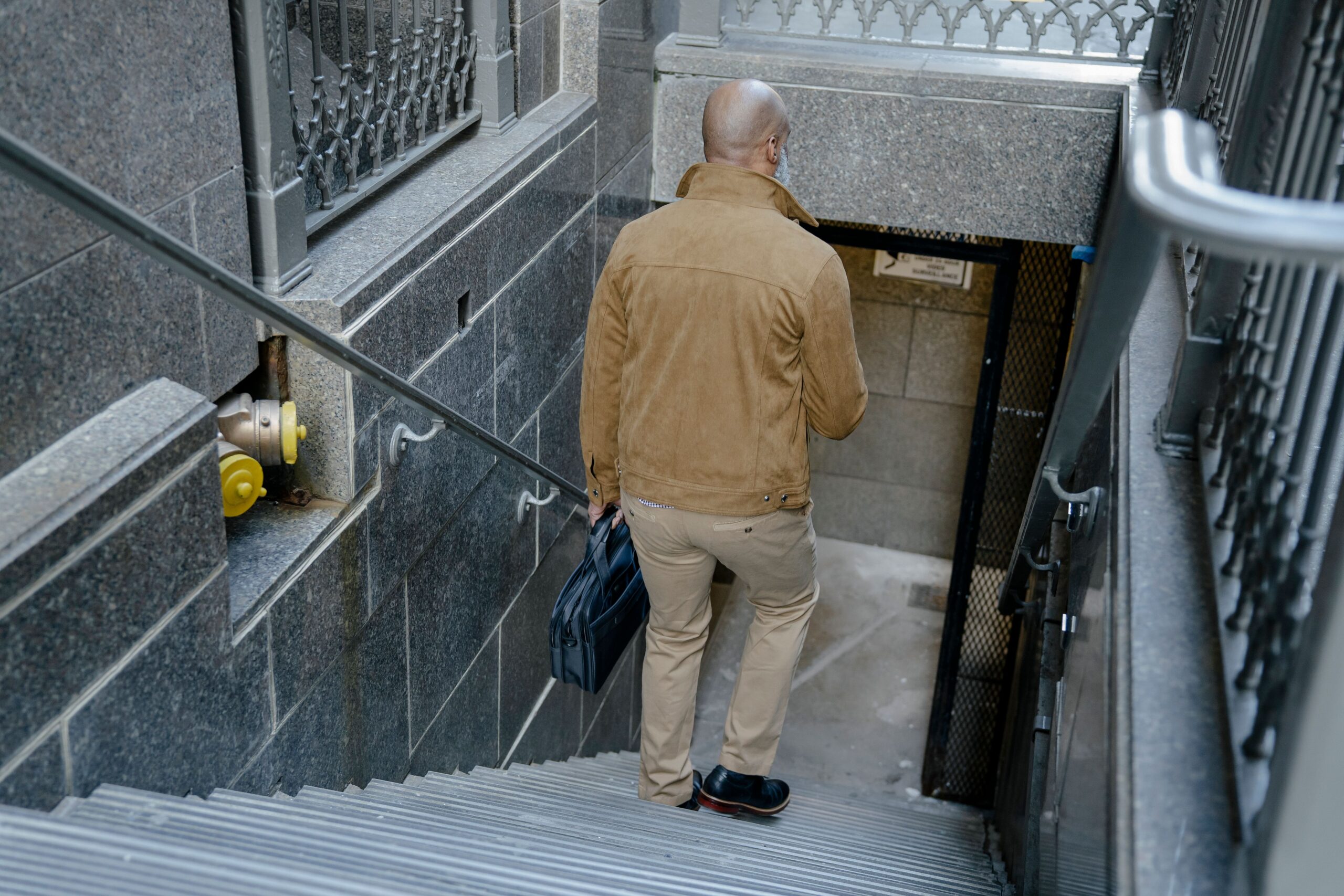

You hesitate at the top of a staircase, unsure exactly where the first step begins. You misjudge the curb getting out of your car. You reach for your coffee mug and knock it over because it wasn’t quite where you thought it was. These seemingly small frustrations can be signs of a depth perception problem, and they’re more than just an inconvenience.
Depth perception issues can affect your safety, independence, and quality of life. Understanding what causes these problems and when to seek help can prevent falls, restore confidence in your daily activities, and sometimes reveal treatable eye conditions you didn’t know you had.
What Is Depth Perception?
Depth perception is your brain’s ability to judge distances and see the world in three dimensions. It’s what allows you to accurately reach for objects, pour liquid into a glass without spilling, park your car without hitting the garage wall, and navigate stairs safely.
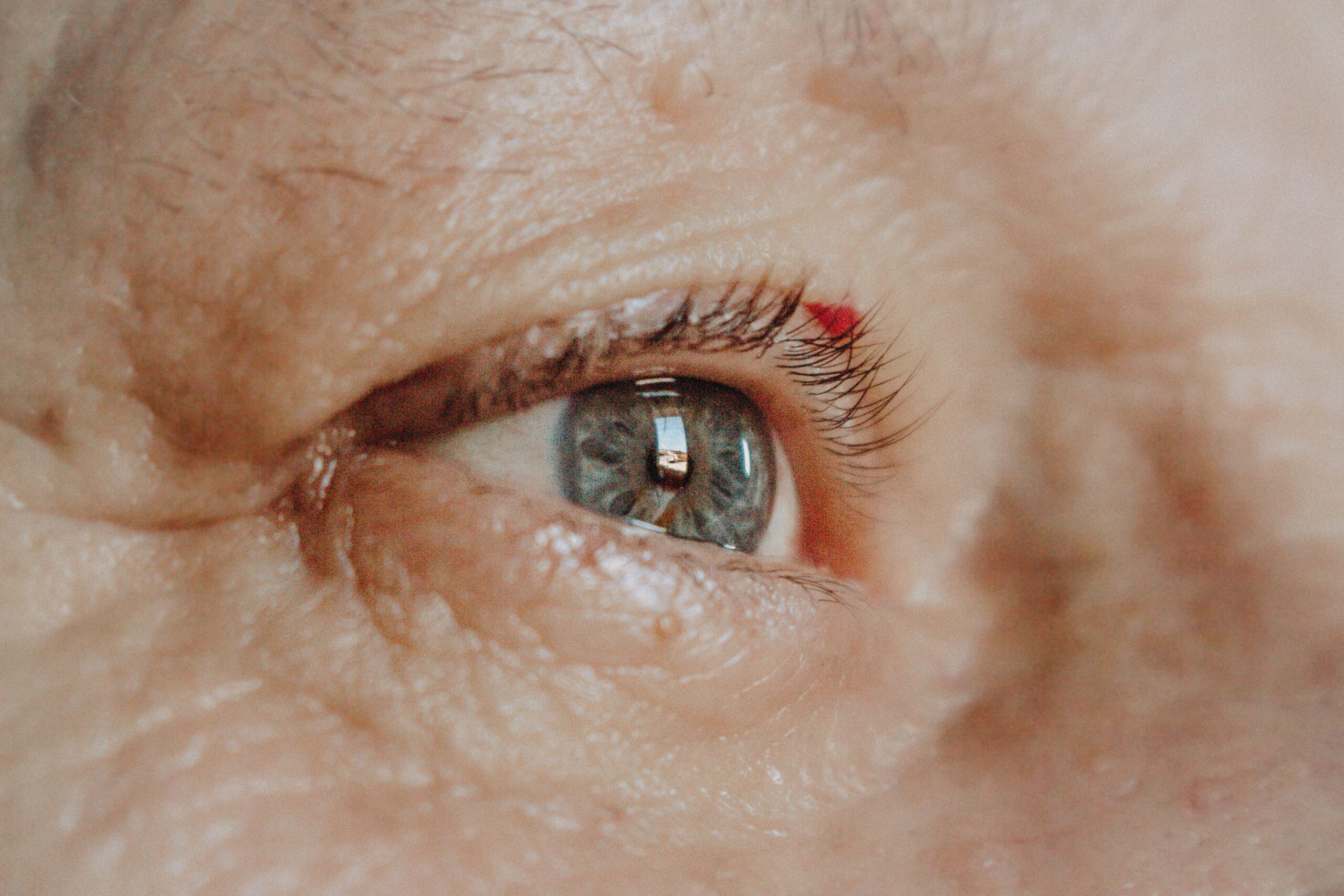
Your brain creates depth perception by combining images from both eyes. Each eye sees the world from a slightly different angle, about 2.5 inches apart. Your brain processes these two slightly different images and uses the disparity between them to calculate distance and create a three-dimensional understanding of your surroundings.
This process, called stereopsis or binocular vision, happens automatically and instantaneously when your visual system is working properly. But when something disrupts this delicate coordination, depth perception suffers.
Signs Your Depth Perception May Be Off
Depth perception problems often develop gradually, making them easy to dismiss as clumsiness or part of getting older. Watch for these warning signs:
Difficulty with stairs: Hesitating before stepping, gripping the handrail tightly, or feeling uncertain about where your foot should land
Trouble judging curbs: Stepping down too hard or lifting your foot too high when encountering a curb or step
Bumping into objects: Frequently misjudging distances and hitting doorframes, furniture corners, or other obstacles
Parking and driving challenges: Difficulty judging distances when parking, merging, or determining how close other cars are
Reaching and grasping problems: Missing objects when reaching for them, knocking things over, or having trouble with tasks like pouring liquids
Reading difficulties: Words seeming to jump or float on the page, or needing to close one eye to read comfortably
Sports and coordination issues: Struggling to catch or hit a ball, judge distances in golf or tennis, or maintain balance
Increased anxiety about navigation: Feeling nervous in crowded spaces, avoiding certain activities, or generally feeling less confident moving through your environment
What Causes Depth Perception Problems?
Depth perception issues can stem from various eye conditions and health factors:
Vision Differences Between Eyes
Anisometropia: When one eye has a significantly different prescription than the other, your brain struggles to merge the two images into one coherent picture. This can cause eyestrain, headaches, and poor depth perception.
Amblyopia (lazy eye): If one eye didn’t develop normal vision during childhood, your brain may suppress the image from that eye, eliminating binocular vision and depth perception.
Uncorrected refractive errors: Simply needing glasses or an updated prescription can impair depth perception, especially if one eye is more affected than the other.
Eye Alignment Issues
Strabismus: When eyes don’t point in the same direction, the brain receives conflicting images. To avoid double vision, the brain may suppress input from one eye, sacrificing depth perception.
Vergence dysfunction: Problems with the eye muscles that control inward and outward eye movements can make it difficult to maintain proper eye alignment, especially when looking at near objects.
Age-Related Changes
Cataracts: Clouding of the eye’s lens doesn’t just blur vision, it can create differences between your two eyes’ images, disrupting depth perception. Many people don’t realize how much their depth perception has declined until after cataract surgery restores it.
Macular degeneration: Damage to the central retina can distort images and make it harder to judge distances accurately, especially in one eye.
Reduced contrast sensitivity: As we age, our ability to distinguish between similar shades diminishes, making it harder to see where steps begin and end, particularly in low light.
Neurological Factors
Stroke or brain injury: Damage to the areas of the brain that process visual information can impair depth perception even when the eyes themselves are healthy.
Concussion: Even mild head injuries can temporarily or permanently affect visual processing and depth perception.
Vestibular disorders: Problems with the inner ear’s balance system can affect how your brain integrates visual information with spatial awareness.
Other Contributing Factors
Monocular vision: Loss of vision in one eye, from injury, disease, or congenital conditions, eliminates stereoscopic depth perception, though the brain can learn to use other depth cues.
Certain medications: Some drugs can affect vision, eye alignment, or brain processing in ways that impact depth perception.
Fatigue and illness: Temporary depth perception problems can occur when you’re extremely tired, ill, or experiencing significant stress.
Why Depth Perception Problems Matter
Beyond the daily frustrations, poor depth perception poses real risks:
Fall hazards: Misjudging stairs, curbs, or uneven surfaces is a leading cause of falls, especially in older adults. Falls can result in serious injuries like hip fractures that dramatically impact independence and quality of life.
Driving safety: Accurate distance judgment is crucial for safe driving. Depth perception problems can increase accident risk and may eventually affect your ability to drive legally.
Quality of life: Many people with depth perception issues gradually restrict their activities, avoiding stairs, declining social invitations, or giving up hobbies, often without realizing why they’re feeling less confident.
Underlying conditions: Sometimes depth perception problems are the first noticeable symptom of a treatable eye condition or a neurological issue that needs attention.
When to See Your Eye Doctor
Schedule a comprehensive eye exam if you:
- Notice increasing difficulty with stairs, curbs, or judging distances
- Have recently started bumping into things more frequently
- Experience headaches or eyestrain, especially during tasks requiring focus
- Notice one eye seems weaker or blurrier than the other
- Have developed double vision or the need to close one eye to see clearly
- Feel less confident driving, especially at night or in unfamiliar areas
- Have had a recent head injury or concussion
- Have been diagnosed with cataracts, macular degeneration, or other eye conditions
Don’t dismiss these symptoms as normal aging. Many causes of depth perception problems are highly treatable.
How Your Eye Doctor Evaluates Depth Perception
A comprehensive examination can identify the root cause of depth perception issues through several tests:
Visual acuity testing: Checking the clarity of vision in each eye separately to identify differences
Refraction assessment: Determining your precise prescription and whether it differs significantly between eyes
Stereopsis testing: Using specialized images or tests that directly measure your brain’s ability to perceive depth
Eye alignment and movement evaluation: Checking how well your eyes work together and track moving objects
Binocular vision assessment: Testing how effectively your eyes coordinate to create a single, three-dimensional image
Contrast sensitivity testing: Measuring your ability to distinguish objects from their background, which is crucial for depth perception
Comprehensive eye health exam: Examining for cataracts, macular degeneration, glaucoma, and other conditions that might affect depth perception
Neurological screening: If appropriate, checking for signs of conditions affecting the brain’s visual processing centers
Treatment Options That Can Help
The good news is that many depth perception problems are treatable:
Corrective Lenses
Updated prescription: Sometimes depth perception improves dramatically with simply getting the right glasses or contact lenses, especially if your prescription has changed or differs between eyes.
Prism lenses: Special prism correction can help align images from both eyes when muscle imbalances are causing problems.
Monovision correction: For people with one weaker eye, strategically correcting each eye for different distances can optimize overall vision while maintaining some depth cues.
Vision Therapy
For alignment issues, vergence problems, or amblyopia in younger patients, vision therapy exercises can train your eyes and brain to work together more effectively. This isn’t a quick fix, it requires commitment to a program of specific exercises, but it can produce lasting improvements.
Surgical Interventions
Cataract surgery: Removing cloudy lenses and replacing them with clear artificial lenses often produces dramatic improvements in depth perception, frequently better than patients remember having before cataracts developed.
Strabismus surgery: Realigning the eye muscles can restore binocular vision and depth perception in cases where glasses or vision therapy aren’t sufficient.
Refractive surgery: LASIK or other procedures can eliminate the need for corrective lenses and improve depth perception for appropriate candidates.
Medical Management
For conditions like macular degeneration, glaucoma, or diabetic retinopathy, treating the underlying disease can preserve remaining depth perception and prevent further deterioration.
Adaptive Strategies
When depth perception problems can’t be fully corrected, occupational therapy and environmental modifications can improve safety and function:
- Installing contrasting tape on stair edges to make them more visible
- Improving lighting, especially on stairs and in hallways
- Using handrails consistently
- Reducing clutter and tripping hazards
- Practicing depth perception exercises
- Learning to use monocular depth cues like size, overlap, and shadows
Living Well With Depth Perception Challenges
If you’ve lost vision in one eye or have permanent depth perception limitations, your brain can adapt. Monocular depth cues, like knowing that larger objects are closer, that objects overlap each other in predictable ways, and that shadows indicate depth, can partially compensate for the loss of stereoscopic vision.
Many people with monocular vision live full, active lives, including driving and participating in sports. The key is proper evaluation, any possible treatment, and then learning strategies to maximize your remaining depth perception abilities.
The Bottom Line
Difficulty navigating stairs, misjudging curbs, or bumping into objects more frequently aren’t just signs of clumsiness or inevitable aging, they’re often symptoms of treatable vision problems.
Your depth perception depends on both eyes working together harmoniously, sending clear images to a brain that can properly process them. When any part of this system isn’t working optimally, your three-dimensional understanding of the world suffers.
The encouraging news is that many causes of depth perception problems, from simple prescription changes to cataracts to eye alignment issues, respond well to treatment. Even when complete restoration isn’t possible, proper diagnosis allows for strategies that improve safety and quality of life.
If stairs have become anxiety-inducing, if you’re second-guessing every curb, or if you’ve noticed you’re moving through the world less confidently than before, it’s time for a comprehensive eye examination. Your eyes and brain are trying to tell you something, and listening might restore not just your depth perception, but your confidence and independence as well.
Experiencing difficulty judging distances or navigating stairs safely? A comprehensive eye exam can identify the cause and determine whether treatment can improve your depth perception. Our experienced team evaluates the full range of conditions affecting binocular vision and spatial awareness.
Schedule your evaluation at any of our seven Charlotte-area locations. Call (704) 365-0555 or book online today.