
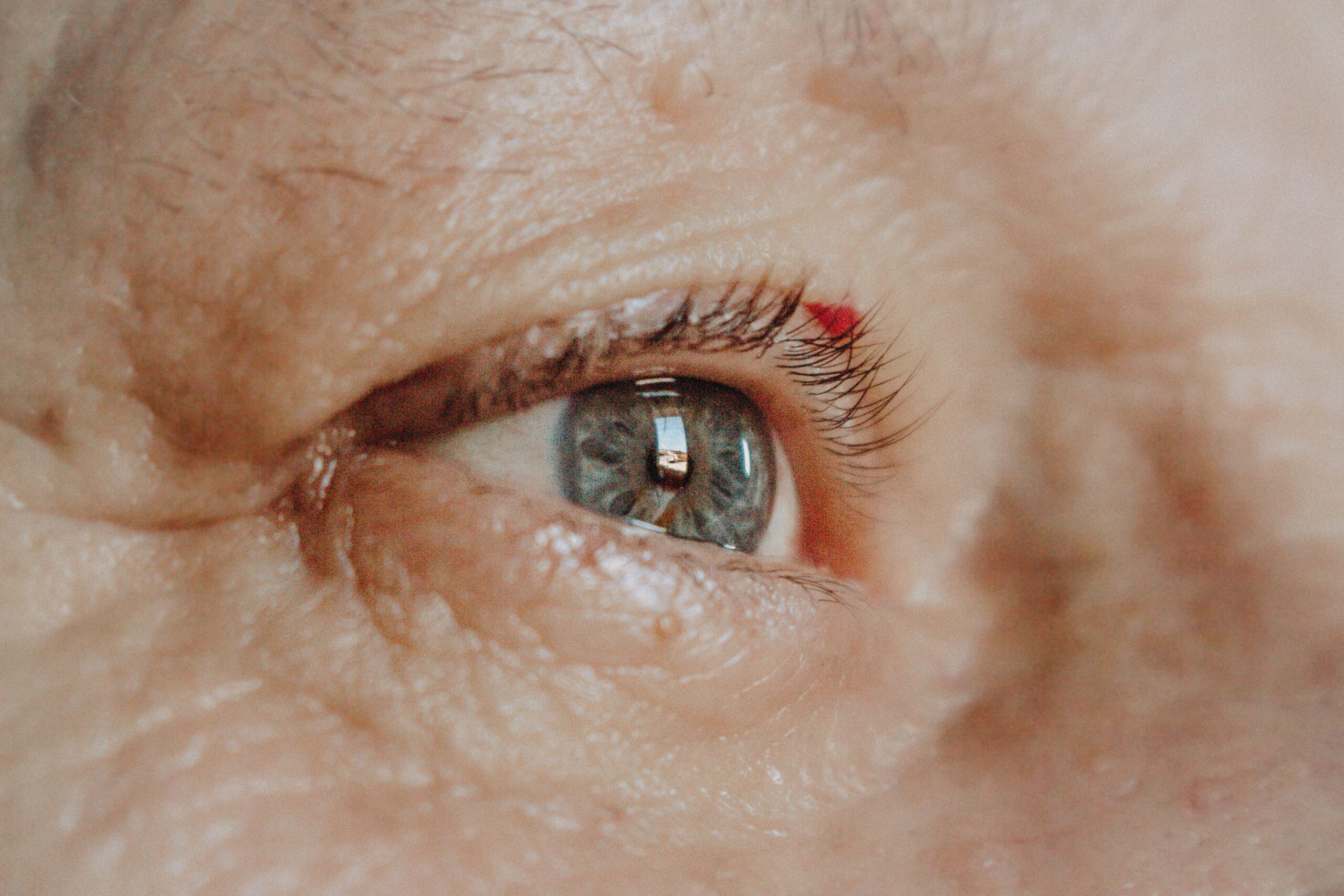

Upper vs. Lower Blepharoplasty
What Is Blepharoplasty?
Blepharoplasty is surgery to remove or reposition excess skin, fat, or muscle around the eyelids. It can be done on the upper lids, the lower lids, or both. Plenty of people pursue it for cosmetic reasons. Upper eyelid surgery can also be medically necessary, though, when drooping skin blocks part of the visual field, and that distinction changes both how the procedure is approached and whether insurance will cover it.
At Horizon Eye Care, blepharoplasty is performed by oculoplastic surgeons, who work at the intersection of ophthalmology and plastic surgery. Their training covers the anatomy and function of the eye alongside the appearance of the result.
Upper Blepharoplasty Restores the Upper Eyelid
Upper eyelid surgery deals with excess skin, and sometimes fat, that collects in the upper lid. That skin can fold over the lash line and create a heavy, hooded look. When it is pronounced enough, it encroaches on the upper visual field and cuts into peripheral vision.
What the procedure involves
The surgeon makes an incision in the natural crease of the upper eyelid, where the resulting scar sits hidden. Excess skin comes out through that incision, and fat is repositioned or reduced depending on your anatomy. Fine sutures close it.
Upper blepharoplasty is often done in-office under local anesthesia, which makes it one of the more straightforward surgical procedures in oculoplastics.
Who is a candidate for upper blepharoplasty?
- Patients with excess upper eyelid skin creating a heavy or hooded appearance
- Those whose drooping eyelids are impairing vision, a condition called dermatochalasis
- Anyone bothered by asymmetry between the upper lids
- Patients in good overall health with realistic expectations
A note on insurance coverage
When upper eyelid drooping is severe enough to affect vision, medical insurance may cover the procedure. A visual field test is typically required to document the functional impairment. Your Horizon Eye Care surgeon can tell you whether you meet the criteria and help with the documentation.
Lower Blepharoplasty Addresses Under-Eye Changes
Lower eyelid surgery addresses a different set of concerns: the puffiness, hollowness, dark shadowing and loose skin that develop below the eyes over time. The lower eyelid is anatomically more complex than the upper, and the technique has less margin for error.
What causes lower eyelid changes?
Three things happen at once. Fat pads that once stayed put begin shifting and herniating forward, which is what creates the look of bags. The skin of the lower lid thins and loses elasticity. And the bone beneath the eye resorbs slightly with age, adding hollowness and shadow. Lower blepharoplasty takes one of two approaches to all of this.
Transconjunctival blepharoplasty
When the main concern is puffiness without much excess skin, the surgeon reaches the fat through the inner surface of the lower lid. Nothing is cut on the outside, so there is no visible scar. Fat is removed or redistributed to smooth the transition from lid to cheek. This works well for younger patients whose skin still has good elasticity.
Transcutaneous blepharoplasty
When excess skin is part of the picture, the surgeon makes a small incision just below the lower lash line and addresses skin and fat together. Placed precisely, that scar becomes nearly invisible once healed.
Who is a candidate for lower blepharoplasty?
Good candidates tend to have under-eye puffiness that persists no matter how much they sleep or how much water they drink, excess lower eyelid skin causing wrinkling or laxity, or hollow and shadowed tear troughs that bother them. General health matters, and so does dry eye. Significant dry eye is a genuine contraindication, because lower lid surgery can make it worse.
Can Both Be Done Together?
Yes, and many patients do. Treating both lids in one procedure balances the result across the whole eye area and means one recovery period instead of two. Whether to do both or focus on one is decided between you and your surgeon at the consultation.
What to Expect During Blepharoplasty Recovery
Recovery is manageable for most patients, but it needs planning.
- Bruising and swelling last 7 to 14 days, worst in the first week
- Cold compresses and keeping your head elevated reduce the swelling
- Most patients are comfortable back at desk work and light activity within 7 to 10 days
- Strenuous exercise and anything that raises blood pressure waits 2 to 3 weeks
- Final results appear as swelling fully resolves, over several weeks to a few months
Upper lid surgery generally recovers faster and more predictably than lower lid surgery. Your surgeon will give you instructions specific to what you had done.
Why Choose an Oculoplastic Surgeon?
The eyelids protect the cornea, support tear drainage, and contribute directly to how well the eye works. Surgery on them has to account for all of that. An oculoplastic surgeon is trained in the medical and surgical care of the eye as well as the structures around it, so the surgical plan is built around how your eye functions and how the result will look.
The Next Step
If drooping or puffy eyelids have been bothering you, for functional reasons or cosmetic ones or both, a consultation is where to start. Your Horizon Eye Care oculoplastic surgeon will assess your anatomy, talk through what you want, and lay out the options in detail.
To schedule a blepharoplasty consultation at Horizon Eye Care, contact us at 704-365-0555 or request an appointment online.