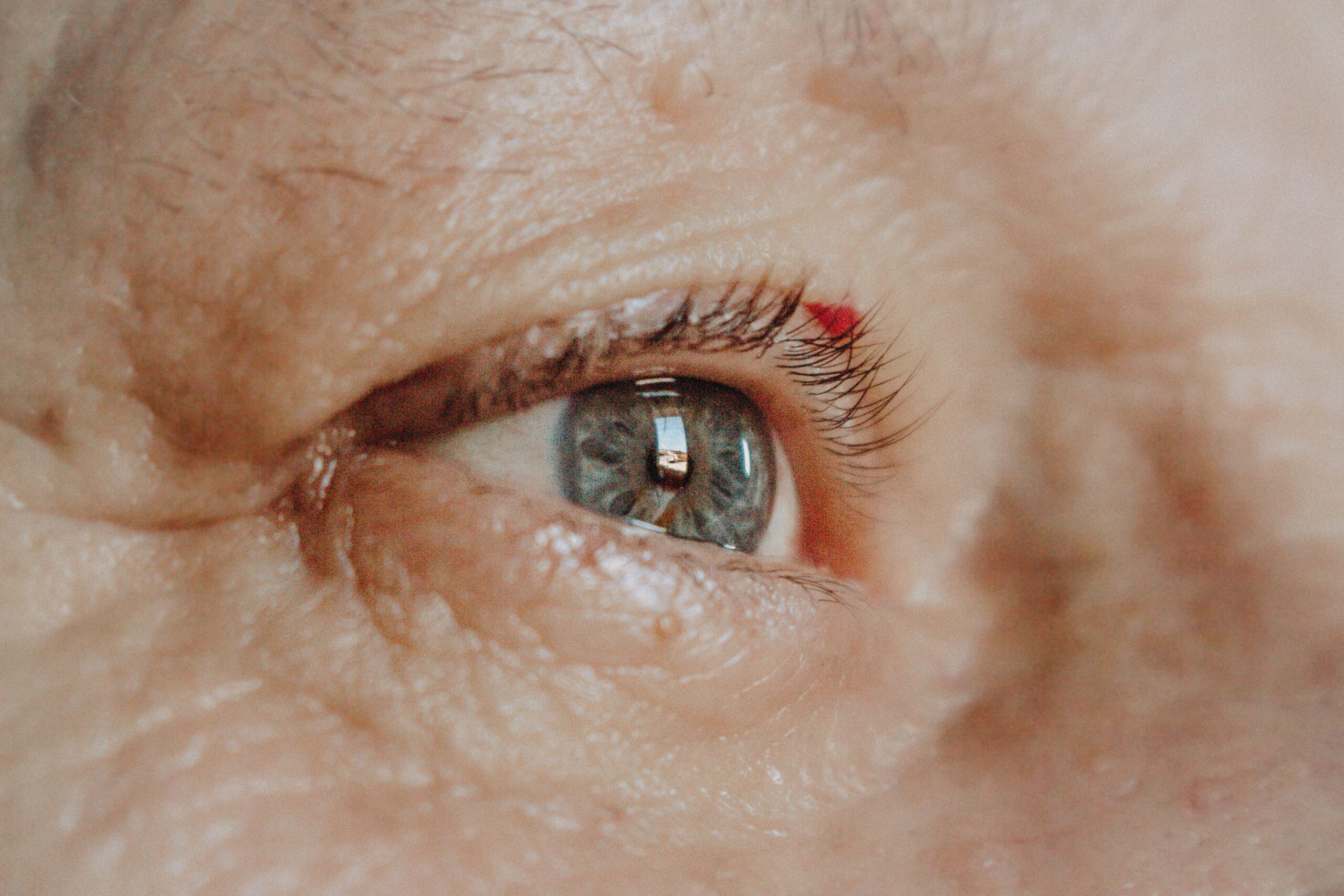


Feeling uncomfortable or having trouble seeing in bright lights could indicate an eye disease. Learn more about light sensitivity, also called photophobia.
How the Eye Processes Light
Normally, a trip to the grocery store or sitting in the breakroom shouldn’t make you want to reach for dark sunglasses. Bright lights shouldn’t make your eyes squint and sting.
For people who have healthy eyes, being exposed to bright lights might feel intense but bearable. Your eyes get used to the bright light within moments. However, if bright lights make your eyes ache or force you to squint, this could be photophobia, also called photosensitivity or light sensitivity. Photophobia is a symptom, not a condition on its own, so it’s important to identify what is causing it.
Here’s what happens when you have photophobia: Light enters your eyes through the tear film and cornea and travels through various parts of the eye to your retina, the light-sensing tissue that lines the back of your eye. When there’s something wrong with any of these parts of your eyes, they may overreact to light. This causes you to feel discomfort, glare, or even pain.
Dry Eye Is the Most Common Cause
According to the Cleveland Clinic, dry eye is the condition most commonly associated with photophobia. Dry eye disease occurs when there aren’t enough tears to keep the front of your eyes lubricated or when there’s an issue with tear quality. A stable, high-quality tear film is essential for optimal vision because it:
- Lubricates the eyes.
- Provides nutrients.
- Shields the front of the eye (cornea) against infection.
- Keeps the cornea smooth so light focuses precisely on the retina.
With dry eye disease, the tears that protect the cornea are reduced or unstable. This leaves the densely packed nerve endings in the cornea exposed. As a result, even normal amounts of light can feel intense and painful. Dry eyes also struggle to focus, which is why looking at screens or being exposed to air conditioning makes symptoms worse over time.
Corneal Causes
Several other conditions affect the cornea and cause photophobia. They include:
- Corneal abrasion. If you get a foreign object in your eye, scratch your eye with your nail, or rub your eye while wearing a contact lens, you might scratch the surface of your eye. Symptoms of corneal abrasion include eye redness and irritation, blurry vision, increased tears, the feeling that there’s something in your eye, and light sensitivity.
- Keratitis. Keratitis is a swelling of the cornea often caused by an eye infection. Symptoms include eye pain, photophobia, redness, blurry vision, sensitivity to touch, discharge, and headaches. Cleveland Clinic reports that keratitis is the most common cause of corneal blindness around the world.
- Keratoconus. With this condition, the normally round cornea bulges outward into a cone-like shape. Keratoconus weakens and thins the cornea. As it grows worse, light scatters when it enters your eye, making photophobia and glare worse over time.
Uveitis: Inflammation Inside the Eye
Uveitis is the swelling of the middle layer (uvea) of the eye, which consists of the iris, ciliary body, and choroid. Mayo Clinic notes that uveitis warning signs can come on suddenly and worsen quickly, including eye redness, light sensitivity, and blurred vision. If you have uveitis and don’t get it treated, you might experience permanent vision loss.
Retinal Conditions
Retinitis pigmentosa and other inherited retinal conditions that lead to dystrophy (cell breakdown) also lead to photophobia and may cause flashes, floaters, or vision loss in the peripheral (side) vision.
After Eye Surgery
Eye surgery, such as LASIK and cataract surgery, often leads to temporary light sensitivity as you heal.
When Light Sensitivity Requires Urgent Care
Call an eye care doctor for a same-day appointment if you have any of the following symptoms along with photophobia:
- Significant eye pain with eye movement
- Sudden decrease in your vision
- Sudden redness in your eye
- An increase in flashes or floaters
If you wear contact lenses, always get checked for keratitis the same day your symptoms started. Wearing contact lenses can increase your risk of certain eye infections.
Photophobia combined with other symptoms like fever, severe headache, and a stiff neck could be signs of meningitis and should be evaluated immediately.
What to Expect at Your Appointment
During your visit, your eye care professional will ask about your medical and eye care history. They’ll conduct an eye exam, which can include dilating your eyes with eye drops. Depending on the cause of your photophobia, your doctor will recommend a treatment plan.
If you’d like to have your eyes checked for light sensitivity, schedule an appointment with an ophthalmology practice near you. To schedule an eye exam at Horizon, the ophthalmology practice in Charlotte, call (704) 365-0555 or schedule an appointment online.