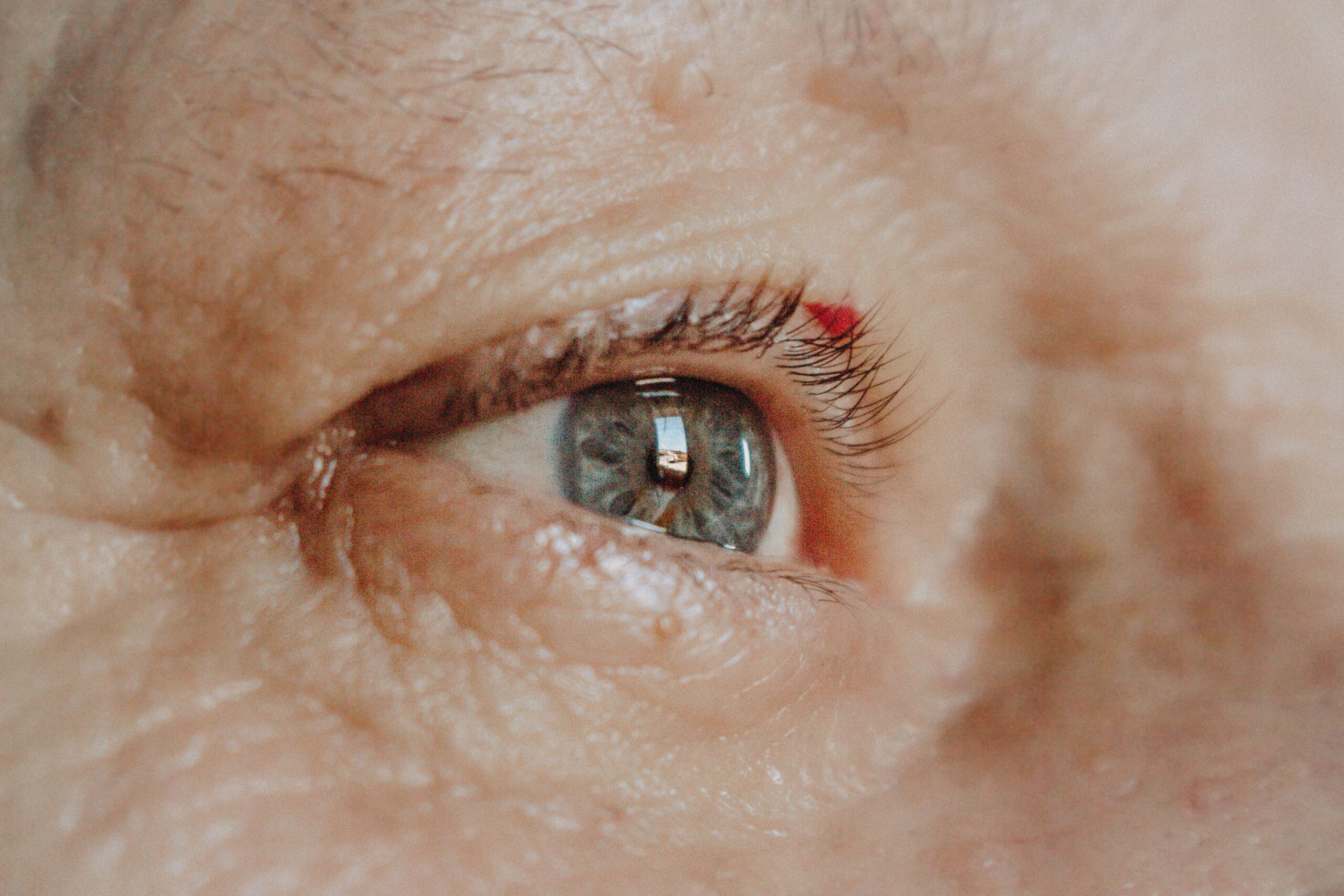


If your eyes feel drier, grittier, and more irritated every winter, you’re experiencing one of the season’s most common but underappreciated challenges. While most people associate winter with dry skin and chapped lips, fewer realize that cold weather creates the perfect storm for dry eye symptoms.
Conservative prevalence estimates suggest that 10-20% of the population over 40 years of age report moderate to severe dry eye symptoms, and these numbers climb even higher during winter months. The combination of cold outdoor air, indoor heating, and reduced humidity can transform manageable dry eye into a daily struggle.
Understanding why winter worsens dry eye symptoms empowers you to take specific, effective actions. This article provides evidence-based strategies to keep your eyes comfortable all season long.
Why Winter Wreaks Havoc on Your Eyes
Winter assaults your eyes from multiple directions. Understanding these factors helps you address each one effectively.
The Low Humidity Problem
Tears provide lubrication, reduce the risk of eye infection, wash away foreign matter, and keep the surface of the eyes smooth and clear. However, cold air holds significantly less moisture than warm air. When winter temperatures drop, outdoor humidity plummets, creating an extremely dry environment.
This matters because your tear film, the thin layer of moisture protecting your eyes, constantly evaporates. In dry winter air, this evaporation accelerates dramatically. Your tear glands struggle to produce fluid quickly enough to maintain the necessary liquid coating for proper eye hydration.
Indoor Heating Compounds the Problem
Escaping indoors doesn’t solve the issue. Indoor heating systems, while keeping you warm, further reduce relative humidity. Forced air heating creates a desert-like environment inside your home and workplace. This dry indoor air accelerates tear evaporation just as aggressively as outdoor cold.
There’s no refuge. You face dry conditions outdoors from cold air and indoors from heating systems. Your eyes never get a break.
The Wind Factor
Winter often brings strong, cold winds that strip moisture directly from your eyes’ surface. Wind increases tear evaporation rates and can cause reflex tearing, a paradoxical response where your eyes water excessively to compensate for dryness. This excess tearing often blurs vision temporarily and can be just as bothersome as dryness itself.
Increased Screen Time
Winter’s shorter days and colder temperatures often mean more time indoors, which frequently translates to increased screen time. Whether working from home, watching television, or scrolling through devices, extended screen use significantly contributes to dry eye.
When staring at screens, people blink less frequently, sometimes reducing blink rate by 50% or more. Less blinking means less lubrication and slower tear film replenishment, leading to eye fatigue and irritation.
Comparison of Winter Dry Eye Relief Strategies
| Strategy | Effectiveness | Speed of Relief | Best For |
| Humidifier | Very High | Hours to days (cumulative) | Dry indoor air, overnight relief |
| Preservative-Free Artificial Tears | High | Immediate (lasts 30-60 min) | Frequent use throughout day |
| Warm Compresses | Moderate to High | Immediate comfort | Meibomian gland dysfunction, oil layer improvement |
| Wraparound Sunglasses | High | Immediate when outdoors | Wind protection, outdoor activities |
| Omega-3 Supplements | Moderate | Weeks to months | Anti-inflammatory support, long-term improvement |
| Prescription Eye Drops | Very High | Days to weeks | Moderate to severe symptoms, inflammation |
| Limiting Screen Time | Moderate | Immediate to hours | Digital eye strain, reduced blinking |
| Staying Hydrated | Moderate | Hours to days | Overall tear production support |
| Eyelid Hygiene | Moderate to High | Days to weeks | Blepharitis, crusty eyelids |
| Avoiding Direct Heating Vents | Moderate | Immediate | Car/office heating, sleeping position |
Winter Dry Eye Symptoms
Dry eye manifests through various uncomfortable symptoms that winter conditions intensify.
Common Symptoms
- Dryness or gritty sensation, as if sand is in your eyes
- Burning or stinging
- Redness
- Blurred vision that fluctuates, particularly after prolonged reading or screen time
- Excessive tearing (reflex tearing from dryness)
- Sensitivity to light
- Eye fatigue, especially by day’s end
- Difficulty wearing contact lenses comfortably
- Stringy mucus in or around eyes
When Symptoms Are Worse
- After spending time outdoors in cold, windy weather
- In heated rooms with low humidity
- During and after extended screen time
- Upon waking (tears don’t replenish during sleep)
- In environments with forced air heating or fans
Paradoxical Tearing
Many people with dry eyes experience excessive watering, which seems counterintuitive. This occurs because chronic dryness irritates the eye surface, triggering reflex tear production. Unfortunately, these reflex tears are watery and lack the proper oil content to lubricate effectively. They overflow onto the cheeks while the eyes remain dry underneath.
Indoor Solutions: Combating Heated Air
Since we spend most winter time indoors, controlling the indoor environment provides the foundation for dry eye management.
Use a Humidifier
The single most effective environmental modification. Humidifiers add moisture to dry indoor air, slowing tear evaporation and reducing irritation.
Best practices
- Place humidifiers in rooms where you spend the most time, especially bedrooms
- Aim for 30-50% relative humidity (use a hygrometer to monitor)
- Clean humidifiers regularly to prevent mold and bacteria growth
- Use distilled or filtered water to minimize mineral deposits
- Cool mist humidifiers are generally safer and more energy-efficient, while warm mist models may feel more comfortable in very cold weather
Redirect Heating Vents
Direct air from heating vents away from your face and eyes. In your car, angle dashboard vents toward the floor or windshield rather than at your face. At your desk, position yourself away from direct airflow or use a small fan to deflect the stream.
Adjust Thermostat
Lowering indoor temperature by just a few degrees reduces the drying effect of heating systems while helping you save on energy costs. Wear warmer clothing to compensate.
Take Screen Breaks
Follow the 20-20-20 rule: every 20 minutes, look at something 20 feet away for at least 20 seconds. This reduces eye strain and reminds you to blink fully, refreshing your tear film.
Position screens slightly below eye level so your eyes don’t open as wide, reducing tear evaporation.
Blink Consciously
When focused on screens or reading, make a conscious effort to blink fully and frequently. Incomplete blinks don’t adequately spread tears across the eye surface.
Outdoor Protection
Preparation before going outside significantly reduces winter dry eye discomfort.
Wear Wraparound Sunglasses
Sunglasses serve a dual purpose in winter: blocking UV rays (which reflect intensely off snow) and creating a protective barrier against wind and cold air.
Use Ski Goggles for Winter Sports
If you ski, snowboard, or spend extended time in snowy conditions, invest in quality ski goggles. They provide superior protection from wind, cold, and UV rays while creating a microenvironment that retains eye moisture.
Goggles also protect against photokeratitis (snow blindness), a painful condition caused by UV rays reflecting off snow. While temporary, snow blindness can take a week or more to heal and causes significant discomfort.
Apply Artificial Tears Before Going Out
Use preservative-free artificial tears before outdoor activities to create a protective moisture layer. Reapply immediately after coming indoors.
Limit Outdoor Time During Extreme Conditions
When temperatures drop to extreme lows or winds are particularly strong, minimize outdoor exposure when possible, especially if you have severe dry eyes.
Treatment Options
Preservative-Free Artificial Tears
These eye drops supplement your natural tears and provide immediate relief.
Why preservative-free? Preservatives can irritate eyes with frequent use. If using drops more than four times daily, choose preservative-free formulations.
Types available
- Thin consistency: Quick relief for mild dryness
- Gel drops: Thicker, longer-lasting for moderate to severe dryness
- Ointments: Very thick, typically used at bedtime for overnight protection
Warm Compresses
Applying warm compresses to closed eyelids helps unclog meibomian glands and liquifies oils in the lipid layer, improving tear quality.
How to use
- Soak a clean washcloth in warm (not hot) water
- Wring out excess water and place over closed eyes for 5-10 minutes
- Repeat 1-2 times daily
- Alternatively, use microwaveable eye masks designed for this purpose
Warm compresses have shown benefits for tear film quality, blink patterns, and meibomian gland function in patients with dry eye.
Eyelid Hygiene
Regular eyelid cleaning removes debris, bacteria, and excess oils that can contribute to dry eye and meibomian gland dysfunction.
Basic eyelid scrub technique
- Wet a clean washcloth with warm water
- Wrap around your finger
- Gently scrub along the baseline of lashes with eyes closed for about 20 seconds per eye
- Rinse with warm water
- Perform daily, preferably before bed
Commercial eyelid cleansing solutions and pre-moistened wipes are also available and may be more convenient.
Omega-3 Fatty Acid Supplements
Some evidence suggests omega-3 fatty acids may have anti-inflammatory effects that benefit dry eyes, though research results are mixed.
- Fish oil supplements (EPA and DHA)
- Flaxseed oil (ALA)
- Dietary sources: fatty fish (salmon, mackerel, sardines), walnuts, chia seeds
Prescription Medications
When over-the-counter options prove insufficient, prescription treatments offer more powerful relief.
- Anti-inflammatory drops: Medications like cyclosporine (Restasis) and lifitegrast (Xiidra) reduce inflammation on the eye surface and increase tear production. Effects build over several weeks to months.
- Autologous serum drops: Made from your own blood serum, these drops contain natural growth factors and nutrients. Reserved for severe cases.
- Low-dose steroids: Short-term use for acute flare-ups of severe dry eye inflammation. Require careful monitoring due to potential side effects.
Punctal Plugs
Small devices inserted into tear ducts to block drainage, keeping natural tears on the eye surface longer. Available in temporary dissolvable or semi-permanent silicone versions.
In-Office Procedures
- Intense Pulsed Light (IPL): Uses light pulses to treat meibomian gland dysfunction.
- LipiFlow: FDA-approved treatment applying controlled heat and massage to unclog meibomian glands.
- Meibomian gland expression: Manual expression of blocked glands performed by a Charlotte eye care specialist.
Lifestyle Modifications That Can Make a Difference
Stay Hydrated
Adequate hydration supports overall tear production. Aim for 8-10 glasses of water daily. Winter’s cold weather can reduce thirst sensation, making dehydration more likely.
Optimize Your Diet
Beyond omega-3s, consume foods which support eye health.
- Vitamin A: Carrots, sweet potatoes, spinach
- Vitamin C: Citrus fruits, bell peppers, broccoli
- Vitamin E: Nuts, seeds, vegetable oils
Limit Alcohol and Caffeine
Both can have mild diuretic effects, potentially reducing overall hydration and tear production. Moderate consumption is fine, but excessive intake may worsen dry eye.
Get Adequate Sleep
During sleep, closed eyelids allow the eye surface to recover and repair. Aim for 7-9 hours nightly. Consider using a humidifier in your bedroom overnight.
Manage Contact Lens Wear
Winter is particularly challenging for contact lens wearers. Consider:
- Switching to daily disposable lenses
- Reducing wearing time
- Using preservative-free rewetting drops formulated for contact lenses
- Taking glasses days to give eyes a break
Protect Against Wind Everywhere
Remember that wind isn’t limited to outdoors. Car rides with windows cracked, walking through drafty buildings, and even ceiling fans can create enough airflow to dry your eyes. Be mindful of these micro-environments.
When to Seek Professional Help
While many winter dry eye cases respond well to home treatment, certain situations warrant professional evaluation by a Charlotte ophthalmologist.
- Symptoms persist despite consistent use of artificial tears and environmental modifications
- Vision becomes significantly blurred or reduced
- Eyes are extremely red or painful
- You notice discharge or signs of infection
- Symptoms suddenly worsen dramatically
- Dry eye interferes with daily activities or quality of life
- You cannot tolerate contact lenses at all
- You’re using OTC drops more than 8-10 times daily without relief
Frequently Asked Questions
Why do my eyes water so much in winter if I have dry eye?
This paradoxical tearing is one of dry eye’s most confusing symptoms. When your eyes are chronically dry, the irritation triggers reflex tearing from your lacrimal glands. However, these reflex tears are watery and lack the proper oil content to effectively lubricate your eyes. They overflow onto your cheeks while the underlying dryness remains. Proper dry eye treatment reduces this reflex tearing by addressing the root cause.
Can winter dry eye cause permanent damage?
Untreated severe dry eye can potentially harm the cornea and, in rare cases, lead to vision loss. However, this typically occurs only with chronic, severe dry eye left completely untreated for extended periods. Regular use of artificial tears and basic management strategies prevents such complications in most cases.
Should I use a cool mist or warm mist humidifier?
Both types effectively add moisture to the air. Cool mist humidifiers are generally safer (no risk of burns from hot water), more energy-efficient, and easier to clean. Warm mist models may feel more comfortable in very cold weather and can help warm small rooms. Choose based on your preference and specific needs.
How long does it take for dry eye treatments to work?
Artificial tears provide immediate but temporary relief. Environmental modifications like humidifiers show improvement within hours to days. Prescription anti-inflammatory drops typically require 4-12 weeks to reach full effectiveness. Omega-3 supplements may take 2-3 months. In-office procedures like LipiFlow can provide relief lasting many months.
Are expensive artificial tears better than cheaper ones?
Not necessarily. The key factor is choosing preservative-free formulations if you’ll use drops frequently. Beyond that, effectiveness often comes down to personal preference regarding viscosity and comfort. Some people prefer thicker gel drops, while others like thinner solutions. Try different brands to find what works best for you rather than assuming price indicates quality.
Can dry eye go away when winter ends?
If you have true dry eye disease, symptoms typically improve with warmer, more humid spring weather but don’t completely disappear. However, some people experience only seasonal dry eye symptoms triggered by winter conditions. These individuals may have minimal or no symptoms during other seasons. Either way, proper management during winter prevents unnecessary suffering and potential complications.
Will drinking more water cure my dry eye?
While adequate hydration supports tear production and overall eye health, drinking extra water alone won’t cure dry eye disease. The tear film’s complex composition requires proper function of multiple glands and structures. However, dehydration can worsen dry eye, so maintaining good hydration is one component of comprehensive management.
Your Winter Eye Care Plan
Winter dry eye doesn’t have to be an inevitable seasonal suffering. Armed with understanding and the right strategies, you can maintain comfortable eyes throughout the coldest months.
Don’t let winter steal your eye comfort. Take control with these evidence-based strategies and enjoy the season with clear, comfortable vision.