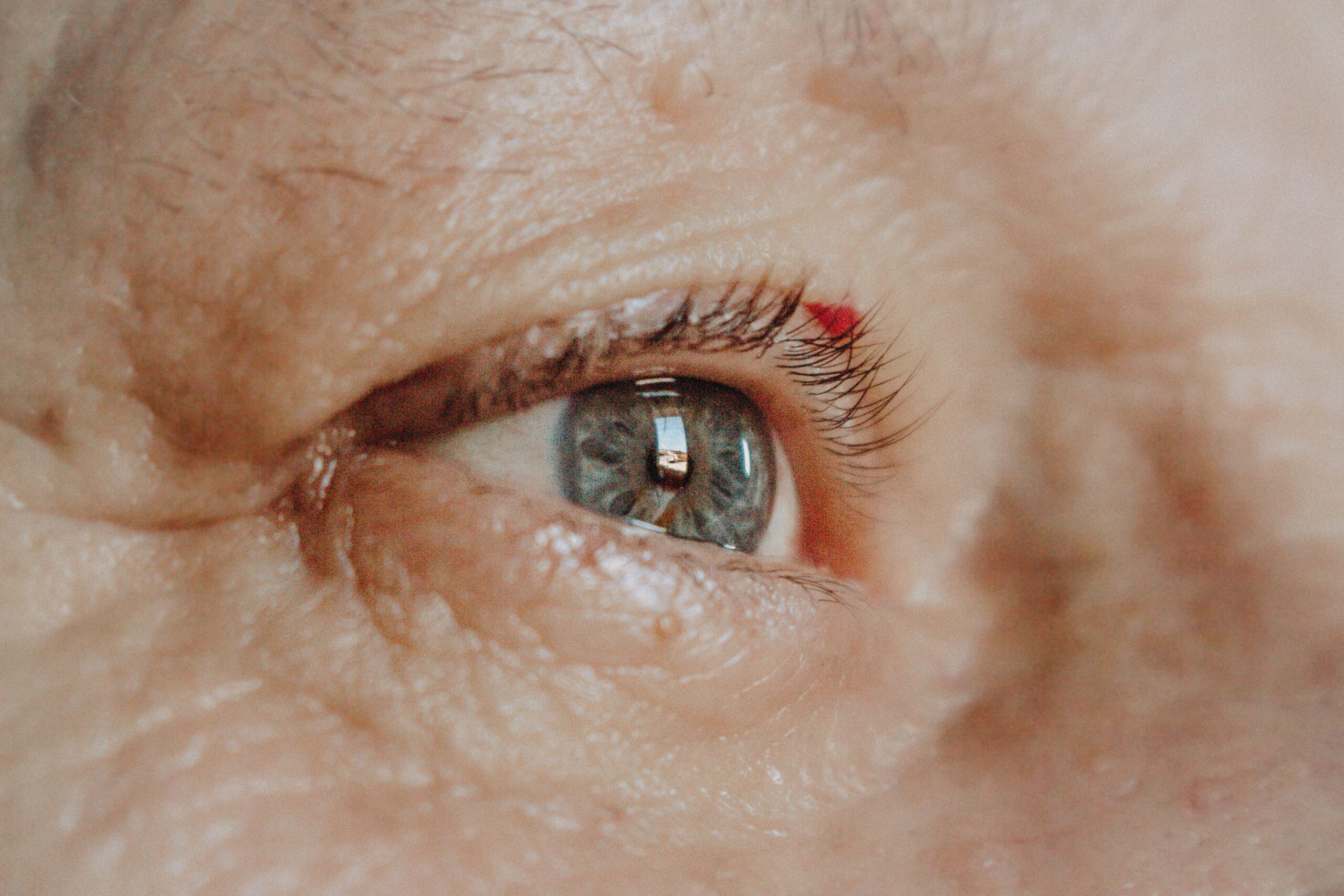


If the world seems a little duller than it used to, colors less vivid, whites with a yellowish cast, blues that look gray, you may assume it is simply part of getting older. In some cases, that is partially true. But faded or discolored vision is often a signal that something specific is happening inside your eye, and in many cases, it is highly treatable.
What commonly causes color changes in your vision and when it is time to have your eyes evaluated.
How the Eye Sees Color
Color vision depends on a healthy, coordinated process. Light enters the eye through the cornea and lens, which focus it onto the retina at the back of the eye. The retina contains specialized cells called cone photoreceptors that detect different wavelengths of light, which the brain then interprets as color. When any part of this process is disrupted, whether in the lens, the retina, or the optic nerve, color perception can be affected.
The Most Common Culprit is Cataracts
If colors have taken on a yellowish or brownish tint, cataracts are the most likely explanation. According to the National Eye Institute, cataracts can make vision blurry, hazy, or less colorful over time.
A cataract forms when the proteins inside the eye’s natural lens begin to break down and clump together, making the lens cloudy. Over time the lens may also turn yellow or brown, which can directly change how you see colors. This yellowing acts like a tinted filter over your entire visual field, casting a warm, muted tone over everything you look at.
The color shift tends to be gradual. Blues may start to look gray or greenish. Whites can appear cream or yellow. Darker shades like purple, brown, and navy become harder to distinguish from one another. Because the change happens slowly over months or years, many people do not realize how much their color perception has shifted until after cataract surgery restores it.
Cataracts are extremely common. They affect more than 24 million Americans over age 40 and nearly half of all Americans by age 75. Most age-related cataracts develop because of natural changes in the lens over time, though factors like UV exposure, smoking, diabetes, and certain medications can accelerate their development.
The good news is that cataract surgery is safe and effective. During the procedure, the clouded natural lens is removed and replaced with a clear artificial intraocular lens (IOL). Most patients notice an immediate and dramatic improvement in both clarity and color vibrancy after surgery. Many describe it as seeing in full color again after years of unknowingly living in a muted, sepia-toned world.
Other Eye Conditions That Affect Color Vision
While cataracts are the leading cause of color fading and yellowing, they are not the only one. Several other conditions can alter the way you perceive color, and some of them are more urgent.
Age-Related Macular Degeneration (AMD)
The macula is the central part of the retina and contains the highest concentration of cone cells responsible for detailed color vision. When the macula deteriorates, as it does in age-related macular degeneration, color perception can be affected alongside central vision. Colors may appear duller or less saturated, and it may become harder to distinguish between hues that are similar, such as blues and purples or pinks and oranges.
AMD is the leading cause of vision loss in Americans over 50. Eye diseases including age-related macular degeneration can cause acquired color vision deficiency, meaning color vision problems that develop over the course of a person’s life rather than being present from birth.
Glaucoma
Glaucoma primarily damages the optic nerve, which carries visual signals from the retina to the brain. Changes in color perception, particularly difficulty distinguishing between blue and yellow, can be an early sign that glaucoma is affecting vision. Because glaucoma typically progresses without pain or noticeable symptoms in its early stages, any subtle change in how you see colors warrants an evaluation.
Diabetic Retinopathy
In people with diabetes, high blood sugar can damage the small blood vessels in the retina. As diabetic retinopathy progresses, it can affect the clarity and vibrancy of vision, including color perception. Anyone with Type 1 or Type 2 diabetes should have a comprehensive dilated eye exam at least once a year, even if their vision seems fine, because retinal damage often develops silently before symptoms appear.
Normal Aging and Color Vision
Even in the absence of a diagnosable eye disease, color perception does change naturally with age. The pupils gradually shrink over time, allowing less light to reach the retina. The cone photoreceptors that detect color become less numerous and less responsive. Blues and violets tend to be the first colors affected, often appearing grayer or less distinct.
These age-related changes are gradual and differ from the more pronounced yellowing and desaturation caused by cataracts. However, because normal aging and early cataract development often occur simultaneously, it can be difficult to distinguish between the two without a comprehensive eye exam.
When to See an Eye Doctor
A change in how you perceive color is not something to wait out. It is worth scheduling an evaluation if you notice:
- Colors that look faded, washed out, or less vivid than they used to
- A yellowish or brownish tint over your visual field
- Difficulty distinguishing between colors, especially blues, purples, and dark shades
- Whites that appear cream, yellow, or muddy
- One eye seeing colors differently than the other
That last point is particularly important. A sudden or noticeable difference in color perception between your two eyes can signal optic nerve involvement and should be evaluated promptly.
A comprehensive dilated eye exam allows your eye doctor to examine the lens, retina, optic nerve, and other structures to identify the cause of any changes in your vision, including color perception. Many of the conditions responsible for color changes respond best to treatment when caught early.
Restoring Vivid Color Vision
When cataracts are the cause, surgery is the only treatment, and it is highly effective. Once the clouded lens is replaced with a clear IOL, most patients experience a striking return of color vividness and contrast. Colors that have gradually faded over years can suddenly appear bright and rich again.
For conditions affecting the retina or optic nerve, treatment focuses on slowing progression and preserving the vision that remains. The sooner these conditions are identified, the more options your eye care team has for protecting your sight.
If you have noticed changes in your color vision, even subtle ones, a comprehensive eye exam is the right next step. Our team of Charlotte ophthalmologists and optometrists can identify what is behind the change and walk you through your options.