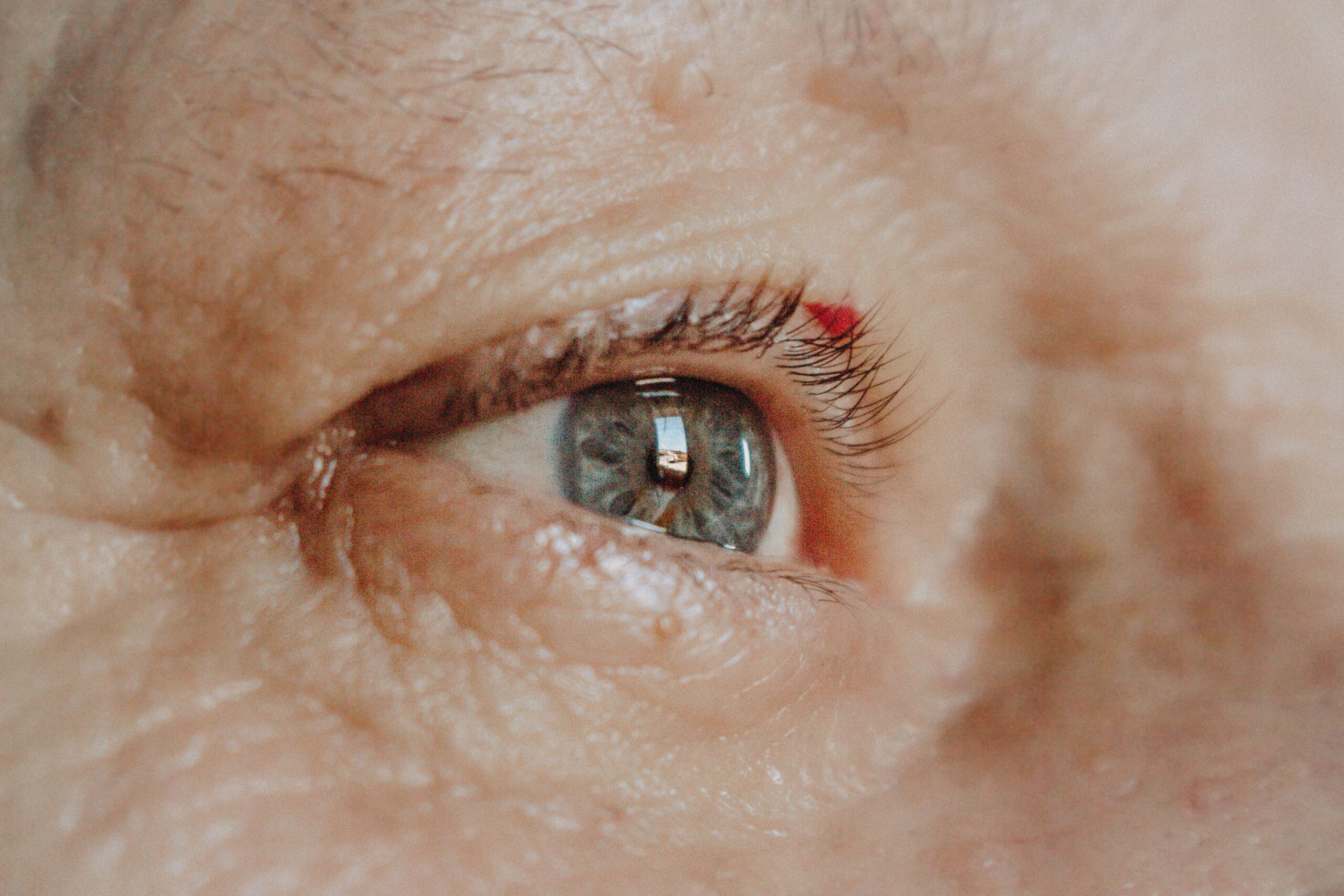


You open your eyes in the morning, and everything looks fuzzy. You blink a few times, rub your eyes, and gradually things come into focus. Sound familiar?
For many people, waking up with temporarily blurry vision is a harmless nuisance that clears within seconds or minutes. But for others, morning vision problems can signal an underlying condition that deserves attention. Understanding the difference can help you know when to simply reach for your eye drops, and when to call your eye doctor.
Why Morning Blurriness Happens
Your eyes work hard all day, and they need recovery time just like the rest of your body. During sleep, several changes occur that can temporarily affect your vision when you first wake up.
Normal Morning Vision Changes
Tear film disruption: While you sleep, your eyes produce fewer tears and your eyelids remain closed for hours. This can leave your cornea temporarily dehydrated, creating a slightly irregular surface that distorts your vision until your tear film stabilizes.
Eyelid pressure: Sleeping face-down or pressing your face into your pillow can temporarily change the shape of your cornea. This usually resolves within minutes as your eye returns to its normal shape.
Eye crust and discharge: The small amount of mucus that accumulates overnight can blur your vision until you blink it away or wash your face.
Sleep inertia: Your brain takes a few moments to fully wake up and process visual information clearly, especially in dim morning light.
If your vision clears within a few minutes of waking and you have no other symptoms, you’re likely experiencing normal physiological changes that don’t require treatment.
When Morning Blurriness Isn’t Normal
Certain patterns of morning vision problems warrant a conversation with your eye doctor. Pay attention if you experience any of these:
Blurriness That Persists
If your vision remains blurry for 30 minutes or longer after waking, or if you need to wait for your eyes to “warm up” before you can see clearly, this could indicate:
Dry eye disease: One of the most common causes of prolonged morning blurriness. Your tears may be evaporating too quickly or lacking the right balance of oil, water, and mucus. Many people with dry eye notice their symptoms are worse in the morning because tear production decreases overnight.
Corneal conditions: Issues like corneal edema (swelling) or corneal dystrophies can cause vision that’s particularly blurry upon waking and gradually improves as the day progresses.
Diabetes-related changes: Fluctuating blood sugar levels can cause temporary changes in your eye’s lens, leading to variable vision that’s often worse in the morning.
Accompanied by Other Symptoms
Morning blurriness paired with additional symptoms may signal a more serious issue:
Pain or redness: Could indicate an infection, inflammation, or corneal abrasion.
Sensitivity to light: May suggest inflammation inside the eye (uveitis) or migraine-related vision changes.
Halos or glare around lights: Can be an early sign of cataracts or corneal swelling.
Loss of peripheral vision: Requires immediate evaluation to rule out acute glaucoma or retinal issues.
Floaters or flashes: May indicate retinal problems that need prompt attention, especially if they’re new or increasing.
One eye significantly worse than the other: Asymmetric symptoms often warrant closer investigation.
Common Culprits Behind Morning Vision Problems
Dry Eye Disease
This is perhaps the most frequent cause of persistent morning blurriness. Your tears might evaporate too quickly, or your meibomian glands (which produce the oily layer of your tears) may not be functioning properly. Some people don’t fully close their eyelids during sleep, leading to overnight drying of the corneal surface.
What helps: Preservative-free artificial tears before bed, a bedroom humidifier, warm compresses, and omega-3 supplements. Your eye doctor can also recommend prescription treatments or in-office procedures for more severe dry eye.
Sleep Apnea
People with obstructive sleep apnea often experience morning eye problems. The condition can lead to floppy eyelid syndrome, where the eyelids don’t stay fully closed during sleep, exposing the eyes to air and causing significant dryness.
What helps: Treating the underlying sleep apnea often improves eye symptoms. Eye shields or moisture chamber goggles during sleep can protect your eyes.
Sleeping in Contact Lenses
Even “extended wear” contacts reduce oxygen flow to your cornea. Overnight wear dramatically increases your risk of serious infections and can cause corneal swelling that leads to morning blurriness.
What helps: Remove your contacts every night, no exceptions. If you consistently forget, consider LASIK or other vision correction options that eliminate the need for contacts.
High or Uncontrolled Blood Pressure
Blood pressure fluctuations overnight can affect the small blood vessels in your eyes and lead to temporary vision changes in the morning.
What helps: Working with your primary care doctor to manage blood pressure. Regular eye exams can detect hypertensive retinopathy before it causes permanent damage.
Medication Side Effects
Certain medications, including antihistamines, decongestants, antidepressants, and blood pressure medications, can reduce tear production or cause temporary vision changes that are most noticeable in the morning.
What helps: Talk to your doctor about whether adjusting your medication timing or switching to alternatives might help.
Age-Related Morning Vision Changes
As we age, several normal changes can make morning blurriness more common:
Presbyopia: After age 40, your eye’s lens becomes less flexible, making it harder to focus, especially when you first wake up and your focusing muscles are relaxed.
Reduced tear production: Tear quantity and quality naturally decline with age, particularly after menopause.
Early cataracts: Even mild lens changes can cause glare and blurriness that’s more noticeable in certain lighting conditions, including when you first wake up.
What You Can Do at Home
If you’re experiencing mild, temporary morning blurriness without other symptoms, try these strategies:
Use lubricating eye drops before bed: Preservative-free artificial tears or gel drops can protect your eyes overnight.
Keep a humidifier in your bedroom: Dry air exacerbates tear evaporation, especially in winter months or in climates with low humidity.
Sleep on your back: This prevents pressure on your eyes and reduces the chance of incomplete eyelid closure.
Blink intentionally when you wake up: Several full blinks help redistribute your tear film evenly across your cornea.
Stay hydrated: Drinking water throughout the day supports healthy tear production.
Clean your eyelids nightly: Warm compresses and lid hygiene help keep oil glands functioning properly.
When to Call Your Eye Doctor
Schedule an appointment if you experience:
- Blurriness that lasts more than 30 minutes after waking
- Progressive worsening of morning vision over weeks or months
- Any pain, redness, or discharge
- New floaters, flashes, or loss of peripheral vision
- Morning blurriness that interferes with your daily activities
- Symptoms that occur suddenly or worsen rapidly
Don’t wait for your annual exam if something feels wrong. Many serious eye conditions are easier to treat when caught early.
The Comprehensive Eye Exam Advantage
During a thorough eye examination, your eye doctor can identify the underlying cause of morning vision problems through:
Tear film analysis: Measuring tear production and quality to diagnose dry eye
Corneal evaluation: Checking for swelling, irregularities, or dystrophies
Intraocular pressure measurement: Screening for glaucoma
Retinal examination: Looking for signs of diabetes, hypertension, or retinal conditions
Refraction testing: Determining if your prescription has changed
Understanding the cause allows for targeted treatment rather than guessing with over-the-counter remedies.
The Bottom Line
Waking up with briefly blurry vision is usually harmless, a temporary result of overnight changes in your tear film and corneal hydration. But persistent, worsening, or painful morning vision problems deserve professional evaluation.
Your eyes are giving you information. Mild, short-lived blurriness that responds to blinking or artificial tears? Probably normal. Prolonged blurriness, especially with other symptoms? Time to call your eye doctor.
The good news is that most causes of morning vision problems are treatable once properly diagnosed. Whether it’s as simple as better eyelid hygiene and artificial tears or requires prescription treatment for dry eye or other conditions, the right diagnosis leads to clearer mornings.
Experiencing persistent morning vision problems? Our comprehensive eye exams identify the root cause and provide personalized treatment solutions. Schedule an appointment at any of our seven Charlotte-area locations.
Call (704) 365-0555 or schedule online today.