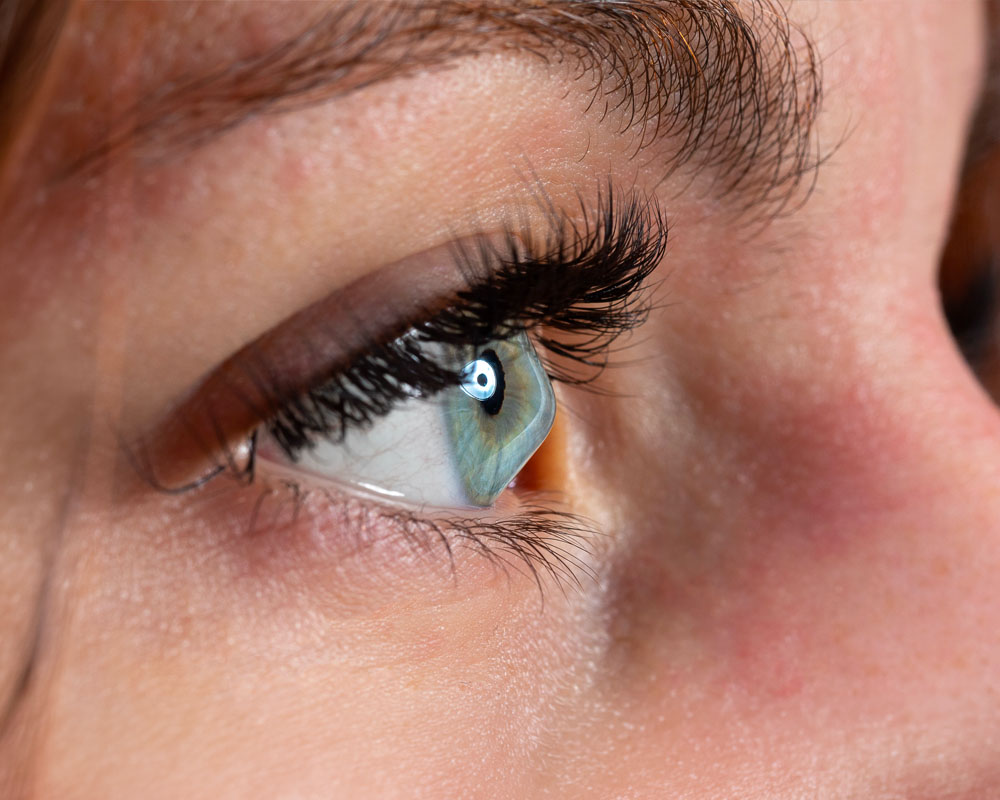

Corneal Treatments We Offer
Our corneal specialists tailor treatment to each patient, beginning with the most conservative approach appropriate for your condition and advancing to surgical solutions when needed.

Medical Management
Lubricating drops, antibiotics, steroids, and specialized medications treat many corneal conditions by reducing inflammation and protecting the corneal surface.
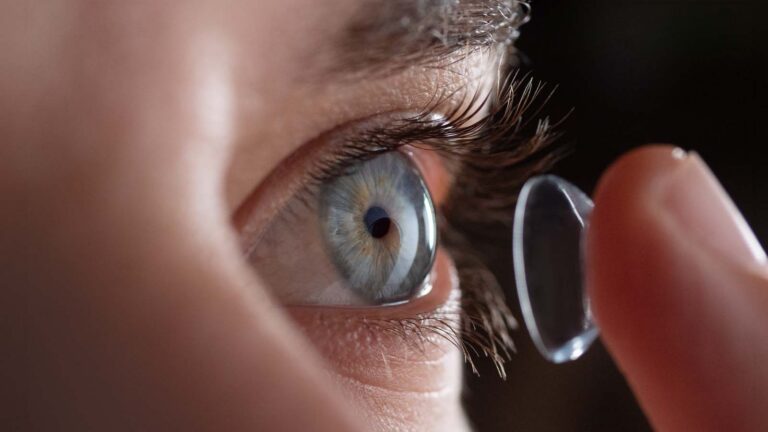
Specialty Contact Lenses
Scleral and specialty lenses provide excellent vision for patients with keratoconus, corneal scars, or irregularities where standard prescription glasses or contacts fall short.
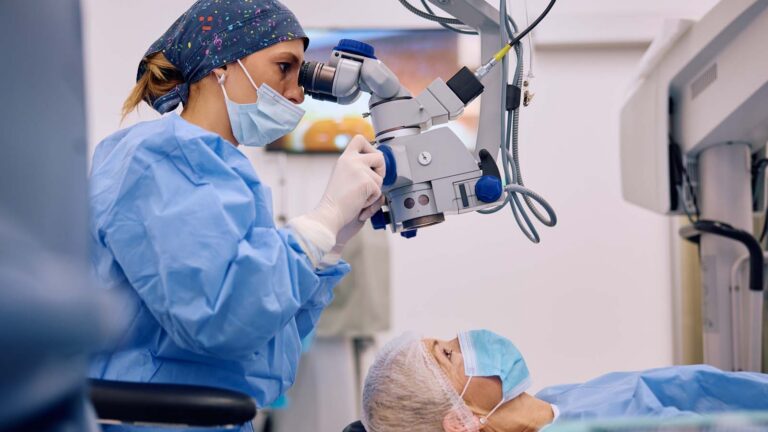
Advanced Laser Procedures
Excimer laser technology smooths corneal surface irregularities, removes scars, and treats certain dystrophies with precision and minimal recovery time.
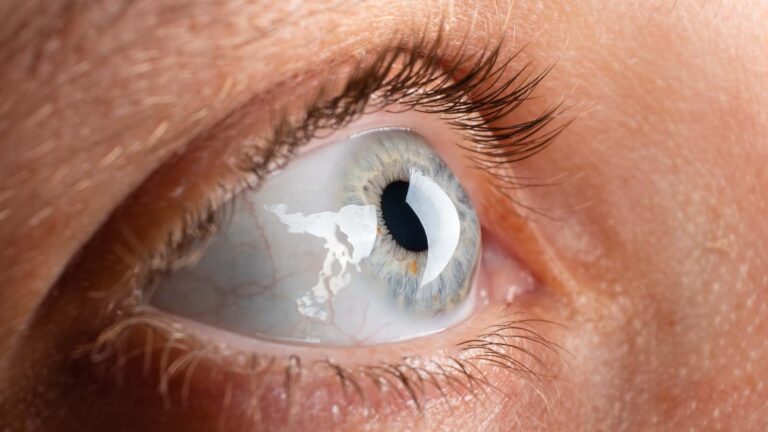
Corneal Transplant Surgery
Our specialists perform both full-thickness and partial-thickness transplants (DSEK, DMEK) depending on which corneal layers are affected, with excellent success rates.


Brent Hoffman II, MD
Expert in Cornea and External Diseases, Cataract Surgery, Comprehensive Ophthalmology

Jonathan S. Minkowski, MD
Cataract, Cornea & Refractive Surgery Specialist

Gerald B. Rosen, MD
Cornea, Cataract & Refractive Surgery Specialist
Serving Cotswold, Mallard Creek & Pineville

Xueyang (Sarah) Wang, MD
Fellowship-Trained Cornea, Cataract & Refractive Surgeon
Serving Cotswold & Mallard Creek




Vision Restored, Lives Transformed
“My first time going to her and I genuinely feel a good connection to her.”

“Dr. Cameron was friendly yet quite professional. His exam seemed thorough and his recommendations sound. He answered questions I had and took his time - he was not rushed to get to…”

“All staff from checking in at the front desk, throughout my appointment were very helpful. Dr.Minkowski did a great job of explaining options/the process of cataract surgery with me, especially given my…”

“I have been coming to Dr. Minkowski for over 2 years and he is an awesome doctor. He makes you feel welcomed and worry free. He explains everything in detail and will…”

“Phenomenal physician/surgeon. Took excellent care of my mom. Would highly recommend him.”

“Very nice bunch of people and nice facilities”

“I always have an excellent experience at this eye doctor. Dr. Daugherty is always, professional, knowledgeable and very helpful.”

“Outstanding experience, He prepared me for what to expect, was diligent in the procedure, called at home that night to check up, and dialed in a nearly perfect prescription . Vicky ,…”

“He was amazing with my son. He talked him through everything he was going to do. I hate he is retiring and we have to find a new eye doctor”

“Very professional and customer focused ”

“Wonderful staff. Very intune to my needs and addresses my concerns thoroughly.”

“I give Dr. Garcia 5 stars, but every single time I visit Horizon, I have to wait. This time it was over 30 minutes.”

“He always do great work and has a wonderful staff”

“I appreciate the professionalism and care. An immediate diagnosis. I've gone to Horizon Eye Care for years.”

“Dr. Minkowski, I think, saved my eye! He is very thorough and extremely intelligent.”

“Very knowledgeable, very personable, very kind and explained everything in great detail!”

“Good experience”

“My appointment was handled professionally and in a timely way.”

“Dr. Hoffman is very personable. Educationally sound and transfers understanding to his patients. Very thorough!”

“This was a first time visit. He explained all my problems and options to correct them carefully and clearly.”