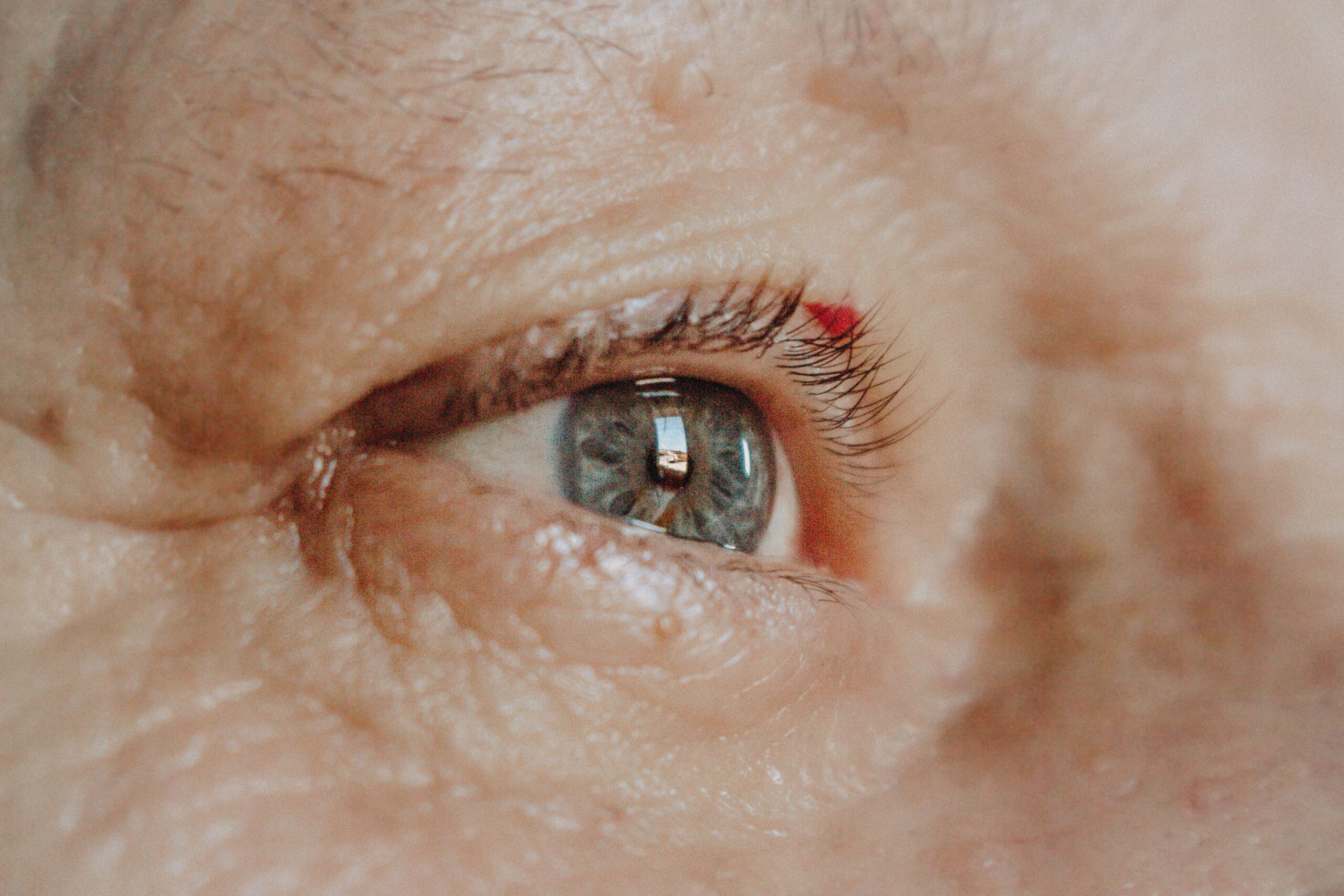
Most of us have woken up with puffy eyes at some point and chalked it up to a late night, too much salt at dinner, or a good cry during a movie. In those cases, a cold compress and a cup of coffee usually do the trick. But what about swelling that lingers for days, keeps coming back, or shows up without any obvious explanation?
Eye puffiness, medically termed periorbital edema, can result from harmless factors like sleep deprivation or high sodium intake, but it can also indicate health issues such as diabetes, thyroid problems, or kidney disease. Persistent puffiness deserves attention, especially when it doesn’t follow the pattern of a typical “rough night” explanation.
Why the Area Around Your Eyes Is So Vulnerable
The skin around your eyes is some of the thinnest on your body, and the tissue beneath it is loose and rich in blood vessels. This anatomy makes the periorbital area particularly susceptible to fluid accumulation. When periorbital edema occurs, inflammation around the eye causes fluid to build up, giving the eye orbit a puffy appearance. It can affect one or both eyes.
The key distinction is duration and pattern. Swelling that resolves after a night of solid sleep is almost always benign. Swelling that persists, worsens throughout the day, or appears alongside other symptoms warrants a closer look.
Common Causes That Are Usually Temporary
Before discussing more serious causes, it’s worth noting the causes that are genuinely harmless and self-resolving.
- Sleep deprivation disrupts normal fluid regulation and drainage
- High sodium intake promotes water retention throughout the body, including around the eyes
- Alcohol consumption causes dehydration and vasodilation that leads to puffiness
- Crying produces excess tear fluid that accumulates in the periorbital tissue
These causes typically resolve within a few hours to a day. When they don’t, or when no lifestyle explanation fits, something else may be at work.
Allergies Are a Frequent Culprit That is Easy to Overlook
When allergies are the trigger, periorbital edema is likely to affect both eyes and cause itching and redness. The allergy can be to pollen, animal dander, or any substance that is irritating. Contact dermatitis, where the skin around the eye is exposed to allergens such as makeup, fragrances, or soaps, can also cause swelling.
Seasonal or environmental allergies often cause swelling that comes and goes, tied to exposure to specific triggers. If puffiness flares in spring and fall or every time you’re around a pet, allergies are likely involved. Antihistamines can help, but if you’ve never had a formal allergy evaluation, persistent symptoms are a good reason to get one.
Blepharitis and Eyelid-Related Conditions
Common eye conditions that can lead to periorbital swelling include blepharitis, an inflammation along the edges of the eyelids, and conjunctivitis, an inflammation or infection of the conjunctiva. Painless swelling of just one eyelid may be due to a chalazion, a bump that forms when an oil gland in the eyelid becomes blocked.
Blepharitis tends to be chronic and is frequently underdiagnosed. Patients often describe a recurring gritty, irritated feeling alongside eyelid swelling that gets worse in the morning. It’s also closely associated with dry eye disease. Treatment typically involves medicated lid scrubs, warm compresses, and in some cases, prescription therapy.
Thyroid Eye Disease
This one often catches patients off guard. Certain types of thyroid disease can affect the tissues around the eyes, causing inflammation, swelling, and pain, a condition called thyroid eye disease (sometimes referred to as Graves’ eye disease).
Thyroid eye disease is the most common cause of orbital disease in North America and it has a higher prevalence in women than in men. The most common presenting signs include orbital and periorbital edema, eyelid retraction, eyelid lag in downgaze, and restrictive strabismus, with common symptoms of ocular irritation and dryness.
What makes thyroid eye disease particularly tricky is that the disease course does not always coincide with thyroid activity or the treatment of underlying thyroid dysfunction. In other words, someone with normal thyroid lab values can still develop significant eye involvement. If you notice puffy eyes accompanied by bulging or protrusion of the eyes, double vision, or difficulty closing your eyes fully, an ophthalmologist should evaluate you promptly.
Kidney Disease and Systemic Conditions
Periorbital edema can be a symptom of kidney disease or an autoimmune disease like systemic lupus erythematosus. The kidneys regulate fluid balance throughout the body. When kidney function is impaired, fluid accumulates in tissues, and because the periorbital skin is so thin, the eyes are often among the first places that excess fluid becomes visible.
Puffiness that is most pronounced in the morning, affects both eyes, and is accompanied by swelling in the legs or ankles, fatigue, or changes in urination should prompt a visit to your primary care physician for blood and urine testing. Heart disease, including congestive heart failure, can also cause edema and fluid retention, particularly in the face and eyes.
When Puffy Eyes Become an Emergency
A swollen, red eyelid that appears suddenly alongside pain, fever, or difficulty moving the eye is a different situation entirely.
Preseptal cellulitis is a bacterial infection in the eyelid or the skin around the eye. It makes the skin around the eyes puffy and swollen but usually does not cause discomfort. While preseptal cellulitis is treated with oral antibiotics on an outpatient basis, it should still be evaluated promptly by a physician.
Orbital cellulitis is far more serious and always requires hospital admission with intravenous antibiotics because of the risk of vision loss and life-threatening complications. If treatment is inadequate or delayed, vision loss, cavernous sinus thrombosis, intracranial abscess, meningitis, and even death can occur within a short time.
According to the Merck Manual, signs that distinguish orbital cellulitis from the more superficial preseptal form include proptosis (the eye being pushed forward), pain with eye movement, reduced or blurred vision, fever, and headache. These symptoms require emergency care, not a wait-and-see approach.
Seek immediate care if puffy eyes are accompanied by:
- Pain when moving your eyes
- Bulging or protrusion of the eyeball
- Fever and significant facial swelling
- Sudden changes in vision, including double vision or blurred vision
- Difficulty opening or closing the eye
One-Sided Swelling
While many causes of periorbital edema affect both eyes, swelling on only one side narrows the possibilities considerably and often points to something local, like a chalazion, a stye, an insect bite, a blocked tear duct, or an early infection. One-sided swelling that comes on suddenly with pain and fever should be evaluated the same day.
When to See an Eye Doctor
Most persistent or recurring puffiness, even without alarming symptoms, deserves a professional evaluation. An ophthalmologist can examine the eyelids and surrounding tissue directly and, when warranted, refer you to the appropriate specialist for thyroid, kidney, or autoimmune evaluation.
If you have been dealing with swelling around your eyes that doesn’t resolve on its own, contact Horizon Eye Care to schedule an evaluation. Puffy eyes are easy to dismiss, but the range of conditions that can cause them, from a blocked oil gland to thyroid eye disease, makes a proper eye examination worth the time.