
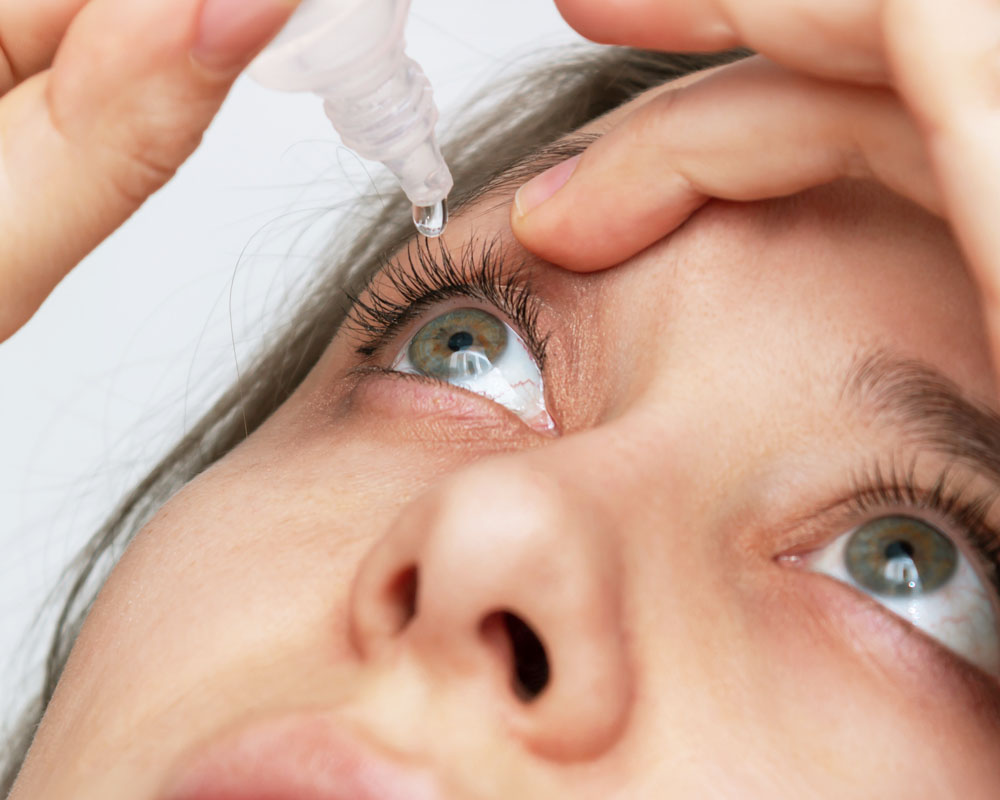
Dry Eye Treatments We Offer
Effective dry eye relief starts with identifying the underlying cause. Our specialists pinpoint what’s driving your symptoms, then build a personalized treatment plan that may include lifestyle changes, prescription therapies, or advanced in-office procedures.
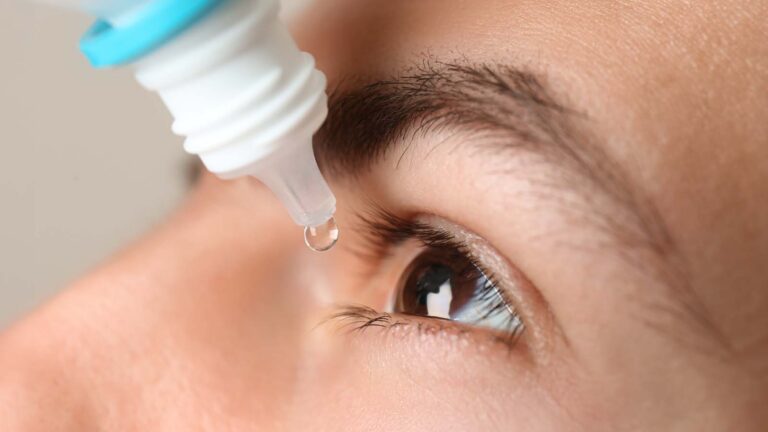
Artificial Tears and Lubricants
Artificial tears, gels, and ointments provide immediate relief for mild dry eye. We recommend the best products for your specific type of dry eye and symptom pattern.

Prescription Medications
Restasis, Xiidra, Cequa, and Tyrvaya nasal spray increase natural tear production and reduce inflammation, addressing the root cause of both dry eye types.
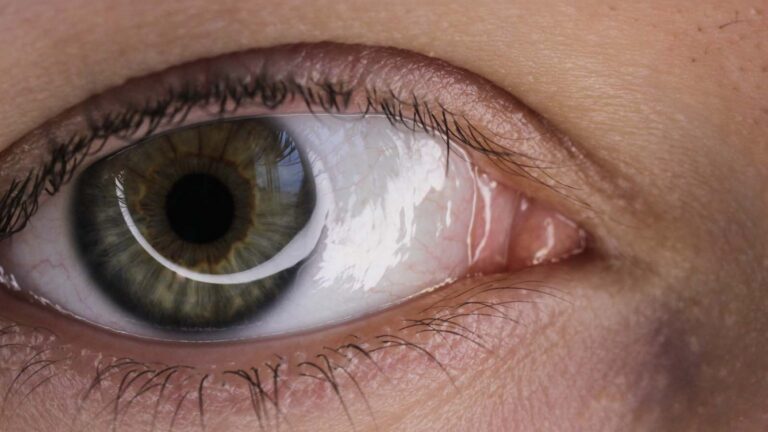
Punctal Plugs
Tiny sterile devices placed at tear drainage points keep natural tears on the eye surface longer, available in dissolvable and semi-permanent options.

Lifestyle Modifications
Staying hydrated, eating omega-3 rich foods, using humidifiers, and following the 20-20-20 rule for screen use can significantly reduce dry eye symptoms.
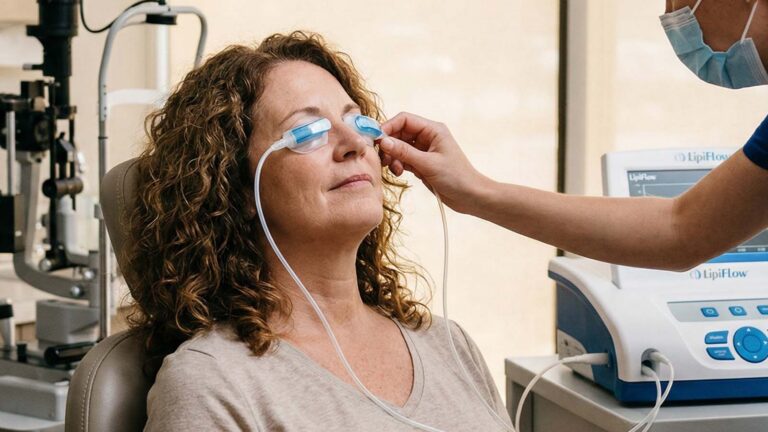
LipiFlow® Treatment
FDA-approved 12-minute procedure using controlled heat and gentle massage to unblock Meibomian glands, with 86% improvement in gland secretions lasting up to 12 months.
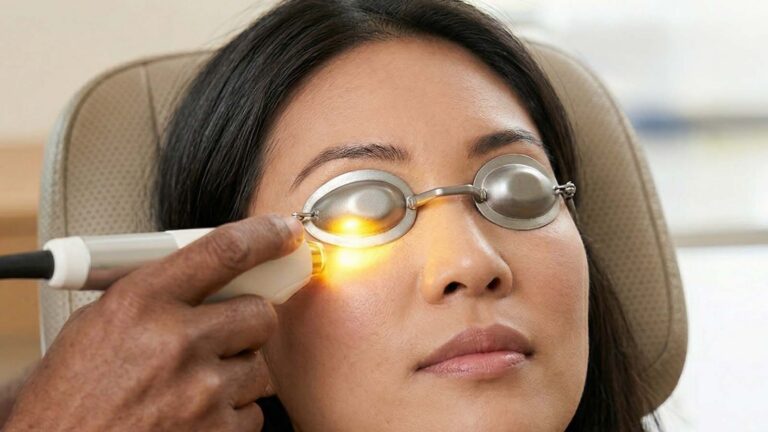
Intense Pulsed Light (IPL)
Controlled light pulses reduce eyelid inflammation and stimulate proper Meibomian gland function, providing long-lasting improvement for evaporative dry eye.
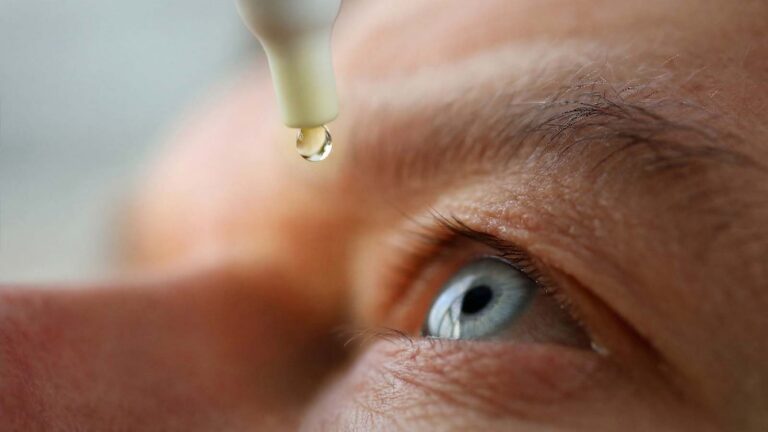
Autologous Serum Drops
Autologous serum drops are personalized drops made from your own blood serum contain natural proteins, growth factors, and vitamins not available in standard artificial tears.
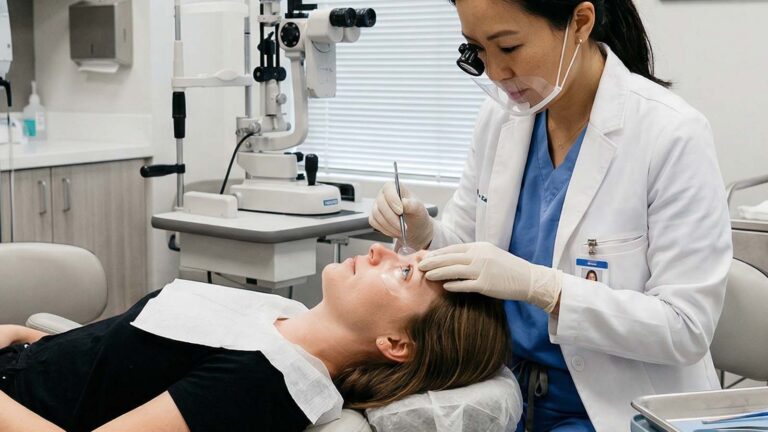
Amniotic Membrane Treatment
Advanced therapy using amniotic membranes to promote tissue regeneration on the corneal surface, reserved for severe cases where other treatments haven't provided relief.



Vision Restored, Lives Transformed
“Dr. Jones was exceptional in all categories: knowledgeable, professional, patient, open to questions, did not rush through the appointment….I had instant confidence in his answers, great people skills.”

“Dr. Cameron was friendly yet quite professional. His exam seemed thorough and his recommendations sound. He answered questions I had and took his time - he was not rushed to get to…”

“All staff from checking in at the front desk, throughout my appointment were very helpful. Dr.Minkowski did a great job of explaining options/the process of cataract surgery with me, especially given my…”

“I have been coming to Dr. Minkowski for over 2 years and he is an awesome doctor. He makes you feel welcomed and worry free. He explains everything in detail and will…”

“Dr. Joseph Biber at Horizon Eye is the best! He is knowledgeable, caring, kind and listens to your concerns. He also has a great organized staff. He performed a successful cataract surgery…”

“All teammates are wonderful. Hardly any waiting time! Dr Rosen is excellent surgeon and follows through with care and concern.”

“Exceptional. Very thorough with diagnosis”

“On time professional and great service.”

“I was seen quickly and efficiently. Everyone was courteous and informative. The Dr was great and informative.”

“What an incredible experience at Horizon Eyecare! First of all, the place is SO clean and everyone is ridiculously friendly. I needed a new prescription for glasses and they were so thorough…”

“First time seeing Dr Hoffman. Very impressed Professional and friendly.”

“Wait time seemed a little longer than usual but overall experience was great.”

“Very nice experience!”

“Timely appointment. Personable and highly knowledgeable Dr. Biber and his staff. I have full confidence in upcoming cataract procedure going well and will continue to use Horizon Eye Care going forward.”

“I was very pleased with my entire experience at my consultation appointment from check-in to the various eye tests done by various staff, to my consultation with Dr. Kaluzny. Overall, it was…”

“Thanks Dr.Jones for your professional caring. My left eye is Greatly improved. Looked forward to seeing you on my next visit.”

“Dr Biber did a great job and makes you feel comfortable along with his nursing staff.”

“Nice, friendly, quick checkup. Glad I was able to have him for my procedure.”

“Dr. Bieber recently performed Cataract Surgery on my right eye. He was very thorough in explaining everything in a down to earth manner. I would highly recommend him!”

“I was very pleased with the results from my bilateral posterior ptosis repair and short recovery time. I attribute this to the skills of Dr Tomasko and his staff”